You probably don’t know that a magician often spots volunteers before the first big trick starts. You boost your odds when you sit near the front or on an aisle, keep your posture open, and answer warm-up questions with a calm, quick voice. A bright hat or a slouch can work against you. Then again, some picks aren’t as random as they look, and that’s where the show gets especially interesting.
Key Takeaways
- You’re more likely to be picked if you sit in the front rows, especially center or aisle seats where performers can easily see and reach you.
- Calm eye contact, a small smile, upright posture, and quick response to warm-ups signal that you’re cooperative and ready to participate.
- Simple, fitted clothing and practical shoes help you look stage-ready and avoid distracting or unsafe issues with props or movement.
- Selection is rarely fully random because magicians usually choose volunteers who are visible, accessible, responsive, and easy to guide onstage.
- If you do not want to be picked, sit farther back, stay neutral during warm-ups, avoid aisle seats, and keep your body language reserved.
How Do Magicians Pick Volunteers?
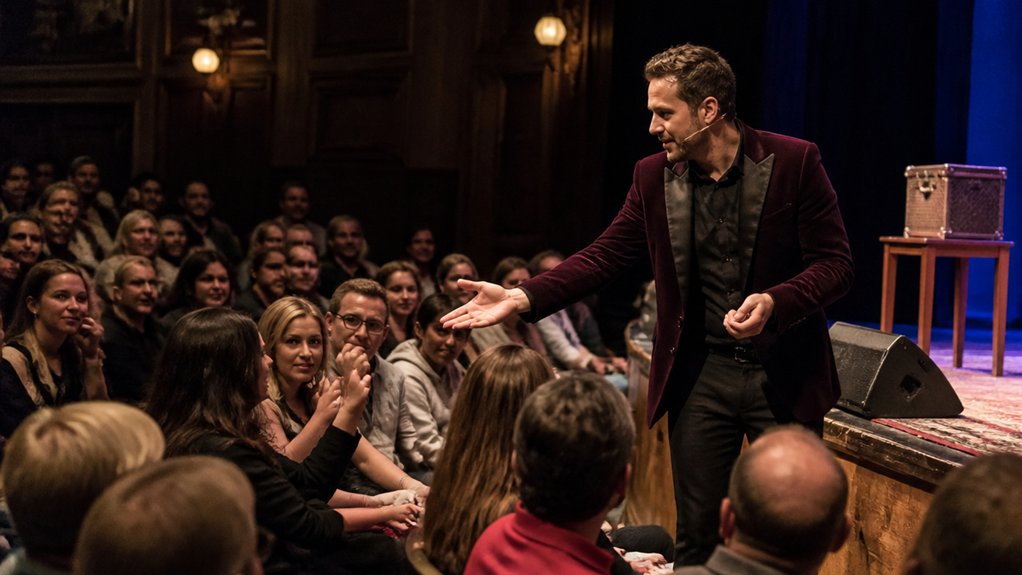
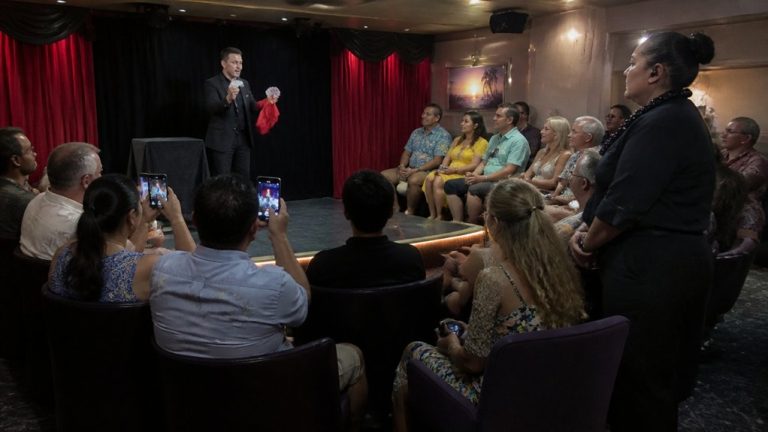
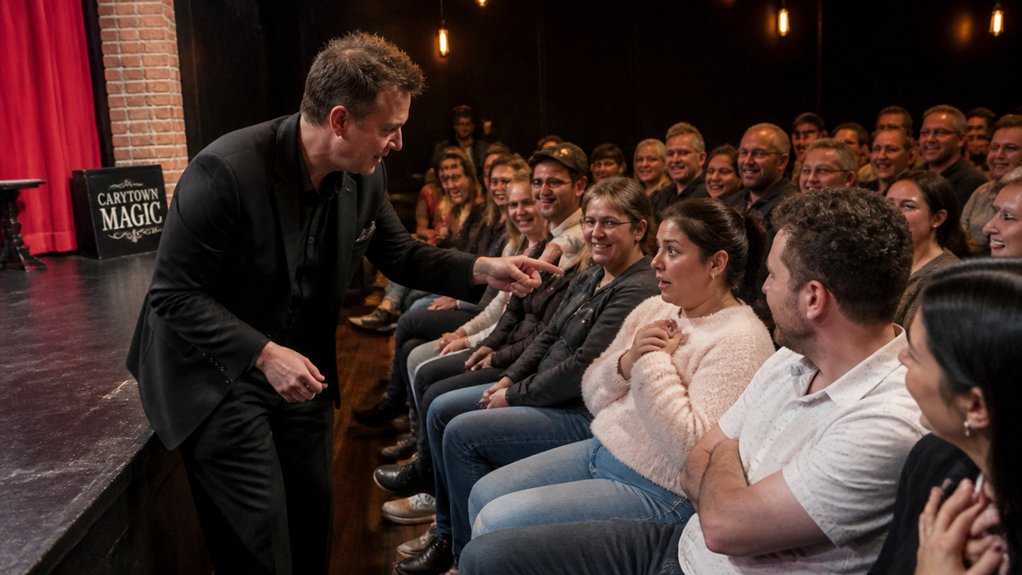
How do magicians decide who gets called up? At a magic show, you can spot their selection techniques if you watch the room. Performers scan for front-row seats, aisle spots, upright posture, and easy eye contact. They want volunteers they can see fast and reach without a clumsy trek or tricky step-up. They also favor calm, composed people over frantic hand-wavers or frozen statues. To widen the field, they may toss a beach ball, launch a quick clapping game, or point directly and ask your name. Then applause kicks in, creating a friendly little current that nudges cooperation. Safety matters too, so access and mobility shape the call. You feel the room tighten, then open, like a zipper finding the smoothest path forward for everyone. What you see can also shift depending on whether the performer is doing close-up magic or stage magic, since each format changes how volunteers are chosen and involved.
Who Gets Picked at a Magic Show?
You’re more likely to get picked if the magician can spot you fast, reach you easily, and trust you’ll follow along when the lights hit and the crowd goes loud. You help your odds when you sit where you’re visible, look calm but alert, and skip the frantic hand-waving that can feel a little too rehearsed. Your chances also change with the show, because a close-up mind reader may want an expressive face, while a big stage illusion needs someone who can handle stairs, quick cues, and maybe a velvet cape. Sitting in the front row can make you more noticeable, but it can also feel thrilling or a little overwhelming depending on the show’s intensity.
Volunteer Selection Factors
Often, the people who get picked at a magic show make a magician’s job easy before the trick even starts. In Las Vegas magic, even David Copperfield needs volunteers who are visible, calm, and simple to reach.
| Spot | Signal | Why |
|---|---|---|
| Front row | Upright posture | Easy access |
| Aisle seat | Eye contact | Fast movement |
| Clear outfit | Smile and nod | Reads well |
If you sit near the front or on an aisle, you stand out without trying. Lean forward a little. Make eye contact. Don’t wave like a windmill. Wear a solid color, skip giant logos, and look ready to move. Magicians also rely on guided attention to keep the trick flowing smoothly once a volunteer is on stage. Hosts also notice people who clap on cue. Avoid blocked paths and obvious stage fright as well.
Audience Participation Odds
Usually, your odds go up when a magician can spot you fast and reach you without a traffic jam. Sit in the front two rows or on an aisle, and you become easier to see and simpler to escort onstage. Lean forward, hold steady eye contact, and look calm. Wild waving makes you seem a bit harder to trust for a magic trick. Many performers point and ask your name, then spark applause so you feel committed to stand up. If stairs look tough or stage fright is written all over your face, your chances drop. Still, not every pick is truly random. Some choices hide forcing, probability plays, or pre-show plants behind the curtain tonight somehow for you alone maybe, sometimes anyway. In many Honolulu shows, audience participation is part of the interactive fun, so performers often look for guests who seem engaged but easy to guide.
What Makes You Stand Out Quickly?
Visibility is your first bit of magic. You catch a performer’s eye by looking easy to read from across the room. Audience proximity helps, but your real edge is calm focus. Lean in a little. Hold steady eye contact. During warm-ups, clap on cue and answer fast. That crisp gesture timing tells the magician you’ll follow directions without turning into a wild card. Wear practical clothes with clean outfit contrast, not floppy sleeves, jangly scarves, or anything that snags props. You want to look ready, not like a suitcase exploded. Keep your hands free and your posture open. If moving to the stage seems simple for you, that’s another quiet signal. Magicians notice people who seem visible, responsive, and smooth to work with there. If the venue allows show photos, avoid fumbling with your phone, since staying present keeps you more likely to be noticed for a trick.
Where Should You Sit at a Magic Show?
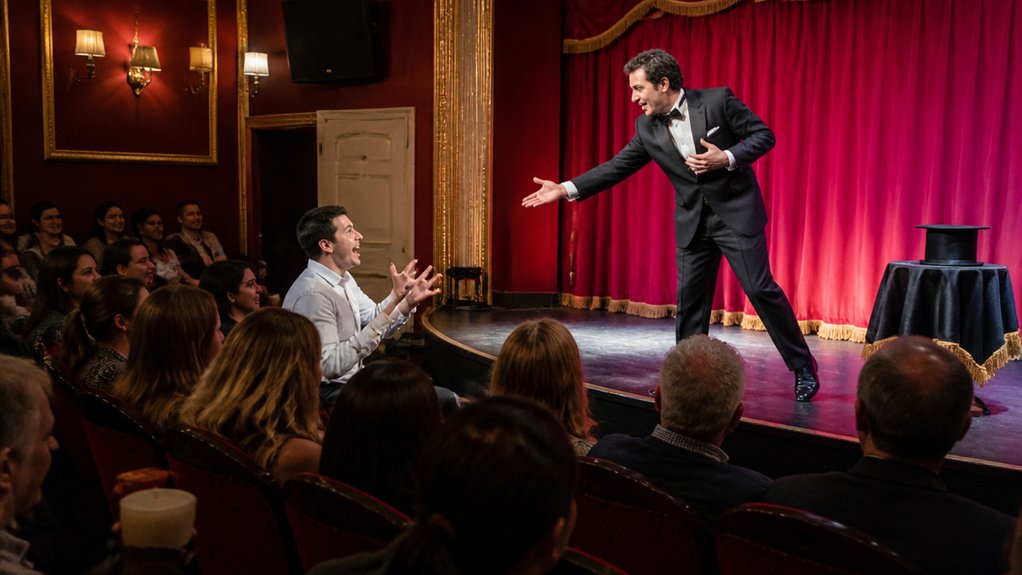
Ideally, you’ll sit in the front three or four rows, near the center, with an aisle seat if you can get one. That gives you front row visibility, center seating, and real aisle advantage when the magician needs someone fast. Arriving a little early also helps you claim better seats before the best center and aisle spots fill up. Stay calm. Lean forward a little and keep your eyes onstage.
| Spot | Why it helps | Pick odds |
|---|---|---|
| Front 3–4 rows | Easy to see | High |
| Center seats | Natural sightline | High |
| Aisle seat | Quick access | High |
If you’d rather disappear, head farther back and sit under softer light near the middle. You’ll still enjoy the gasps, the cards, and the sudden applause, just with less risk later.
What Should You Wear to a Magic Show?
Often, the best thing to wear to a magic show is something simple that lets the performer notice you, not your outfit. Think plain solid colors, not stripes, loud prints, or giant logos. A clean shirt or blouse with dark jeans usually fits the dress code and keeps attention where it belongs.
Color psychology matters more than you’d guess. Neutral tones look calm and dependable under bright stage lights. Choose fitted clothes that won’t flap, drag, or hide props. Skip loose scarves, flashy jewelry, and overstuffed pockets unless you secretly hope to become the concealed-item volunteer. Footwear comfort counts too. Wear shoes with steady soles, not slippery ones, so you can step up safely if called. For family shows, stay casual. For mentalism, dress a touch sharper. If you’re attending a Honolulu magic show, aim for a polished casual look that feels neat without seeming overdressed.
What Body Language Gets You Picked?
You’ll look like an easy yes when you sit upright, lean in a little, and keep your posture open where the performer can spot you fast, especially near the front. Hold warm, steady eye contact and let your smile do the work, because calm confidence reads better than wild waving or shouting over the room. When the scan swings your way, keep your hands relaxed, look ready to rise, and show that quiet stage presence that says you can walk up there without a wobble. At many shows, shy guests are often a great fit because performers usually prefer volunteers who seem calm, cooperative, and comfortable following simple directions.
Open And Engaged
Usually, the people who get picked look open before they ever raise a hand. Sit upright and lean slightly forward so you seem ready, not rigid. Keep your hands easy in your lap instead of waving like you’re directing traffic. That calm posture signals audience engagement and good front row etiquette. A small smile and a few natural nods during patter show quiet enthusiasm without stealing focus. Magicians notice that mix. It suggests you’ll be cooperative once the spotlight lands on you. Wear simple clothes that won’t block sightlines, and skip bulky bags or novelty hats. If you can, choose an aisle seat or the edge of a section. Easy access matters. Follow warm-up claps or call-and-response cues to build performer rapport before the trick. Good magic show etiquette also means waiting for the performer’s instructions instead of reaching toward props or interrupting the setup.
Eager Eye Contact
Sometimes the quickest way to look volunteer-ready is through your eyes. Sit upright and lean slightly forward so your interest reads clearly from an aisle or front-row seat. Use intentional gaze and hold eye contact for two or three seconds. Add subtle blinking and a friendly smile, not a cartoon grin. Keep your hands visible and relaxed. Skip frantic waving. Magicians usually pass over flailing arms and choose composed signals they can read fast under bright lights. When you catch the performer’s gaze, create mutual acknowledgment with a small nod or a slight hand raise. That tiny exchange says you’re engaged, easy to spot, and unlikely to freeze when the spotlight swings your way. Even the rustle of programs can’t hide that calm signal tonight. If you’re reading a Quick FAQ before the show, remember that calm, clear body language still matters most when performers scan the crowd for helpers.
Confident Stage Presence
Think of your body language as your silent audition. Sit upright with confident posture, lean slightly forward, and keep your chest open. Performers scan for people who look engaged and easy to approach, not folded into a seat like a lost sweatshirt. Choose an aisle or front-row spot when you can, and angle yourself toward the stage so you’re easy to see. For more first-time etiquette and seating tips, a Honolulu magic show guide can help you know what performers notice. Hold steady eye contact with the magician and let calm hands rest on your lap or knees. Skip frantic waving. Quiet vocal presence matters too. If you laugh, react, or answer, keep it warm and measured. Controlled gestures and predictable movements make you seem safe, reliable, and ready for the spotlight. Wear simple, well-fitting clothes that won’t distract when the house lights sweep.
How Can You Increase Your Chances?
Boost your odds by making yourself easy to spot and easy to trust. Use seat proximity to your advantage by choosing the front two rows or an aisle seat, especially in a smaller theater where the room feels close and every glance matters. Sit upright, lean in a touch, and meet the magician’s eyes. That’s smart audience grooming, not showboating.
Skip the frantic waving. A relaxed smile beats noisy ambition, because performers want someone who looks confident and easy to guide. Wear simple clothes, leave big hats and sunglasses off, and keep your outline clear under the stage lights. Bringing essential items like your ticket and a light layer can also help you settle in quickly and stay comfortable through the show. If the magician points your way, follow volunteer etiquette and move fast. Stand, go, and let the applause carry you forward. Quick feet can feel like fate tonight.
What Stops You Getting Picked?
Good volunteer habits can raise your odds, but a few easy-to-miss details can shut the door just as fast. If you choose poor seat etiquette and settle in the back row, or keep your head down, you fade from the magician’s scan. Forget visibility hacks if you’re buried in your phone, chatting, or skipping the warm-up cues. Loud waving and shouting don’t help either. They make you look distracting, not dependable. Performers usually prefer quiet gestures, eye contact, and a lean forward. Clothes matter too. A giant hat, bulky hoodie, or costume that snags props can turn you into a backstage headache. Safety matters most. If stairs, quick moves, or an injury could cause trouble, you’ll likely be passed over without a second glance. After the show, following tipping etiquette can also leave a respectful final impression, especially if you’re wondering whether you should tip a magician.
Can You Avoid Being Picked at a Magic Show?
If you’d rather stay in your seat, you can lower your odds by looking calm, quiet, and a little less available. Sit back, keep your body neutral, and skip the enthusiastic lean that catches a magician’s eye. Choose a seat away from the front two rows and avoid the aisle, where you’re easy to spot and easier to reach. Don’t wave, laugh too loudly, or wear flashy hats, sequins, or novelty glasses. That’s solid audience etiquette. If the performer asks for applause or calls your name, stay still and don’t react. Protect your personal boundaries by quietly telling staff beforehand if participation won’t work for you. Good exit strategies can be simple, discreet, and respectful, like a quick note before the lights dim there. At many Honolulu magic shows, performers balance audience interaction with entertainment, so staff may be able to help honor your preference to remain seated.
What Happens If You’re Picked on Stage?
If you’re picked, you’ll step into a quick, polished routine where the magician asks your name, cues the applause, and guides you with simple instructions under the hot lights. You might feel a thrill in your chest or a wobble in your knees, because some volunteers leave glowing while others freeze a little when all eyes swing their way. And while it can look spontaneous, you’ll often find that magicians steer choices, read small signals, or build in backup plans so the moment lands cleanly. If you’re wondering whether a Waikiki magic show is worth your time, this kind of audience interaction is often one of the biggest reasons people say yes.
Stage Volunteer Experience
Stepping onto the stage usually starts with a quick introduction, your name, maybe your hometown, and a burst of applause that makes the moment feel real fast. From there, you’re guided to a mark, a chair, or a small prop table. The magician gives simple directions, keeps the pace moving, and handles the visual traffic so you always know where to stand.
You’ll notice how polished the logistics feel. Performers usually choose calm, front row guests who can move easily and follow cues. That keeps timing tight and the illusion clean. Even when your choices seem open, backstage perspectives include forces, peeks, and backup lines that keep the trick on track. Later, post show reflections often center on the story you got to live, plus volunteer keepsakes like a signed card or photo. In some Honolulu productions, VIP seats may slightly improve your visibility and chances of being noticed, though they still don’t guarantee you’ll be chosen for a trick.
Nerves And Reactions
Once you’re under the lights, the neat stage logistics give way to something more personal: your body’s reaction. You might feel an instant surge, shaky hands, or a dry mouth as applause hits. Good adrenaline management helps. So does a smile.
- Your laugh may arrive first
- Or you might freeze for a beat
- Warm-up jokes usually loosen the room
- physical coping matters on steps and props
- lasting embarrassment can outlive the trick
If you’ve got mobility limits, say so fast. Performers often adjust the action or offer a steady hand. Asking about show accessibility before the performance can also help you know what support is available if you’re picked. Most volunteers settle once the spotlight stops feeling hot and the crowd sounds friendly, not sharp. Then nerves turn into a story you can actually enjoy later, even if your knees feel slightly rubbery.
How Magicians Choose
Although it can feel random from your seat, magicians usually choose with a sharp practical eye. You’re easier to spot if you sit front row or on an aisle, meet their gaze, and look calm. Warm-up claps, tossed freebies, and little games help them read audience dynamics fast. In Honolulu magic shows, the room setup and venue vibe can also influence how easily a magician spots and selects volunteers.
| What they notice | What it suggests |
|---|---|
| Upright posture, eye contact | You’ll follow cues smoothly |
| Quick response in warm-ups | You’re willing and won’t freeze |
You may still face subtle forces, framed choices, or hidden information. That’s performer psychology at work, balanced with ethical considerations. If you’re picked, expect applause, brisk instructions, and backup outs, so the trick lands even if your brain suddenly goes sightseeing. Sometimes a rehearsed stooge appears, though good contingency patter covers genuine surprises.
What If You’re Shy, Anxious, or Disabled?
If crowds make your shoulders tighten or bright stage lights feel like a lot, you can still enjoy the show without becoming part of it. You can lower your odds and protect your comfort with a few quiet moves:
You can enjoy the magic without joining it, especially if crowds, lights, or attention wear you down.
- Sit away from the front and wear unobtrusive clothes.
- Keep your hands in your lap and lean back when applause starts.
- Ask staff about sensory friendly accommodations, communication aids, and pre show briefings.
- Choose an aisle or accessible seat if steps or standing hurt.
- If called anyway, say no clearly or name your limitation. Pros usually adapt fast.
At many Waikiki venues, wheelchair accessible seating and staff assistance can make it easier to choose a spot where you feel comfortable and less exposed.
Magicians often scan for calm, engaged faces, so avoiding eye contact helps. And if you’re onstage and freeze, a polite decline beats suffering through a sweaty minute.
How Do Big Magic Shows Pick Differently?
Big magic shows play a different game than the cozy club act where a magician can casually point at row three. In an arena, you don’t usually get chosen by pure chance. The team watches for people near aisles or front rows who make easy eye contact and move comfortably. That’s stage logistics talking. Volunteer screening also matters. Staff may notice who’s enthusiastic, who can climb steps, follow directions, and speak clearly enough for microphones and camera feeds. Production constraints shape the rest. Your clothes can’t swallow props, and your accent can’t blur the patter from fifty feet away. Warm-up cues and confident wording help you say yes before nerves stage a last-minute rebellion under hot lights and booming music tonight for everyone watching. At some top spots in Honolulu, seating layout can make front-row and aisle guests even more visible to the production team.
Are Magic Show Volunteers Ever Planted?
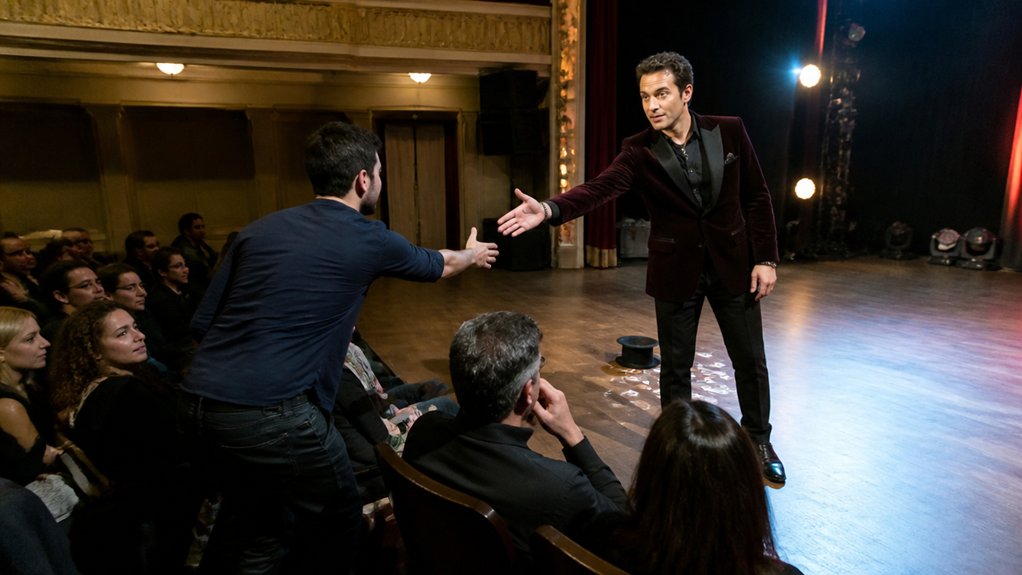
You might wonder if the smiling volunteer under the bright stage lights is a secret helper, and sometimes that does happen because it gives the magician smooth timing and a sure finish. But you can also get picked for real, then be guided by clever choices, quiet cues, or a fast peek that makes your answer sound spooky and exact. As the music swells and the audience leans forward in those velvet seats, you start to see how a show can control the moment without always planting the person.
Stooges Or Genuine Volunteers
Pull back the curtain on volunteer picks, and the answer is a mix of theater craft and real chance. Sometimes you face a genuine call-up. Sometimes a stooge helps keep a risky routine polished. That raises ethical implications, audience consent, and performance authenticity, especially when the room expects surprise.
- A planted helper may know lines, timing, or where to stand under hot white lights.
- A real volunteer can still seem impossible when common choices, like 35, suddenly hit perfectly.
- Marked props or a quick peek can turn your private pick into a public miracle.
- Backup reveals and tidy envelope handling let the effect land even if you surprise them.
- You watch applause, smiles, and body language shape the moment, with spontaneity dressed in silk.
How Selections Are Controlled
Watch the selection process closely and it starts to look less like pure luck and more like careful route planning. You notice eye contact sweeping the front row, a hand extended toward the easy yes, and patter that nudges you toward familiar picks like red or 37. That’s selection psychology mixed with performer control. It feels casual, but the timing is tight.
Even when the volunteer is real, hidden cues and quiet methods keep the trick on rails. A marked card, a quick peek, or a tiny mic can tell the magician what you chose. If you surprise them, backup envelopes, switched objects, and layered reveals create smooth exits. And yes, some shows still use rehearsed helpers when a perfect line reading matters most.
Why Your Choice May Not Be Fully Random?
Although a magic show can feel wide open, your “free choice” often travels along rails you never notice. You hear applause, see bright props, and feel a quick nudge toward familiar picks. That’s psychological priming at work. decision fatigue and social conformity can push you further, especially when the room wants momentum.
- You may blurt 35 or 37 because those numbers feel oddly natural.
- A smiling front-row fan might be a rehearsed stooge.
- Marked cards, hidden mics, or sneaky peeks can expose your real choice.
- Backup reveals and smooth swaps rescue the trick if you wander off course.
- The magician often chooses avid, reachable people first, not random ones.
That’s the real sleight of hand: your choice can feel personal while the path stays guided.
Frequently Asked Questions
Do Magic Show Volunteers Ever Get Paid or Rewarded?
Usually, you won’t get paid as a magic show volunteer, but you might receive volunteer perks like souvenirs or tickets. Remember tips etiquette: don’t expect cash. Ignore compensation myths; contracted plants and extras get paid.
Can Children Be Chosen as Volunteers at Magic Shows?
Yes, because magician obviously dreams of outwitting a second-grader, you can see children chosen as volunteers when performers get parental consent, use age appropriate tricks, and follow child safety protocols so you won’t face chaos.
Are Audience Volunteers Ever Asked to Sign Waivers?
Yes, you might sign liability waivers for higher-risk tricks, backstage involvement, or travel offstage. You may also review privacy releases and, rarely, medical disclosures. Smaller, low-risk audience participation usually doesn’t require paperwork, but you can ask.
Can You Film or Photograph Your Participation on Stage?
Absolutely, but it’s a galaxy-sized maybe: you can’t film or photograph on stage unless the venue and magician allow it. Check recording restrictions, follow audience etiquette, respect privacy concerns, and ask afterward for a photo.
Do Magicians Remember Repeat Attendees When Choosing Volunteers?
Yes, you can get remembered, especially in smaller shows. Magicians notice favorite faces, attention cues, and seating patterns, then weigh your visibility and calmness before choosing you again, since practical stage logistics still matter most overall.
Conclusion
Yes, the theory is mostly true. If you sit near the front, face the stage, answer fast, and look easy to guide, you raise your odds. The pick still isn’t pure chance. Ushers, cameras, and the magician’s quick scan shape the moment. So you can tilt the game, not control it. That small mystery is part of the thrill. One bright spotlight, a hush in the room, and suddenly your steady hands matter up there.