If you think all magic looks the same, you probably haven’t stood close enough to hear a coin ring on a glass or watched a spotlight turn a simple vanish into a room-wide gasp. In close-up, you catch the shuffle, the borrowed ring, the tiny pause before the impossible. On stage, you get music, distance, timing, and bigger pictures. The shift changes more than scale, and that’s where it gets interesting.
Key Takeaways
- Close-up magic happens within arm’s reach using pocket-sized props, while stage magic uses larger visuals designed for the whole room.
- Close-up is highly interactive, often involving signed cards or borrowed objects; stage magic usually features only a few volunteers.
- Close-up magic feels personal and intimate, while stage magic creates shared gasps, laughter, and a stronger theatrical climax.
- Close-up works best for cocktail hours, mingling guests, and walkaround settings; stage magic suits after-dinner shows and focused group performances.
- Tricks built for close-up often need larger props, music, lighting, or projection to work effectively on stage.

Oahu: Full or Half Day Grand Circle Island Tour
Choose from two exciting ways to experience Oahu's top attractions, scenic beauty, and local culture.Option 1: Dole Plantation & Haleiwa Town (6.5 H...

Oahu Majestic Circle Island Tour with Waimea Falls and Byodo Inn
Since 1974, E Noa Tours has specialized in showing visitors the real Oʻahu through immersive experiences led by pas...

Parasailing Experience in Waikiki, HI
Experience the thrill of Oahu parasailing on this unforgettable 1-hour adventure from Waikiki. Soar up to 1,000 feet...

Oahu: Grand Tour Around Island with Snorkeling
Come join on a circle island adventure led by some of Hawaii’s most knowledgeable local guides and experience brea...
Close-Up Magic vs Stage Magic: Key Differences

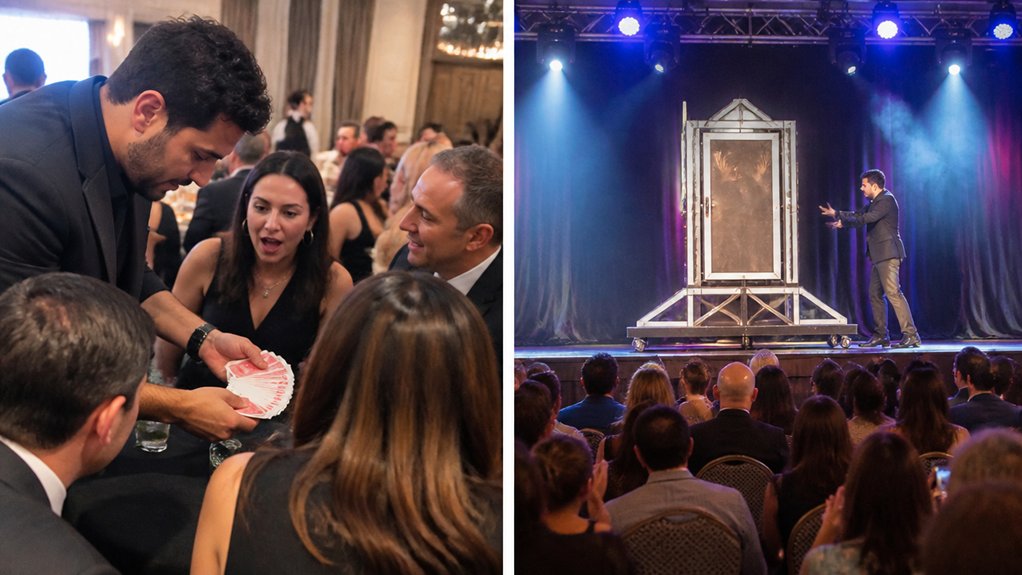
While both styles aim to fool and delight, they feel completely different once you’re in the room. With close up magic, you experience surprise at arm’s reach. The magician works with little setup, quick resets, and constant interaction, often using borrowed objects while handling noise, pockets, and bad angles. Stage magic asks for a wider lens. You watch effects built to read from far away, with bigger props, lighting, music, assistants, and managed sightlines. In both settings, misdirection helps guide attention so the effect lands cleanly without giving away how it works.
The goals shift too. Close up magic wins you over person by person and can spark conversation faster than a name tag. Stage magic guides you through a full theatrical arc, from opener to feature to finale, so hundreds share one climax. One feels like a secret. The other feels like an event.
What Close-Up Magic Looks Like
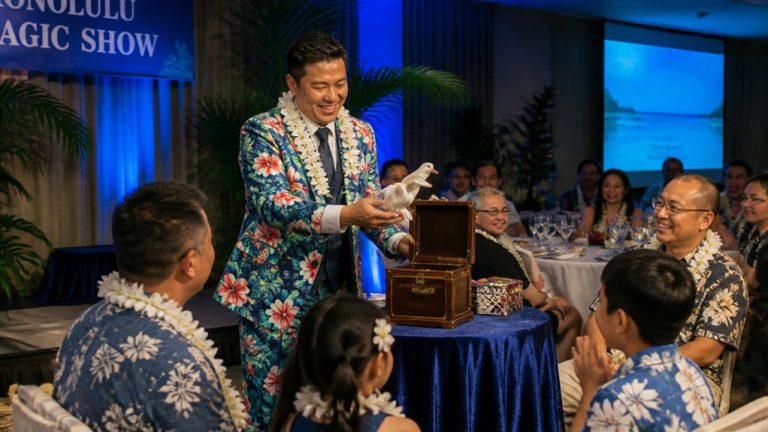
You watch close-up magic from arm’s reach, where cards snap, coins ring softly on the table, and even your own borrowed objects can turn into the trick. You don’t just see the effect, you feel it happen in your hands or right under your nose as the magician moves from one small group to the next. In many Honolulu shows, that kind of interactive setup makes the experience feel even more personal and surprising. Without bright lights or stage help, you notice how much rests on quick fingers, sharp timing, and the simple thrill of something impossible happening inches away.
Up-Close Interactions
Leaning in is part of the show. You don’t watch from a distance. Close-up magicians work within arm’s reach, often at your table or while moving through a room. You hear the shuffle of cards, the clink of coins, and the quick patter that gathers small groups fast. Because the props fit in a pocket, the focus stays on skill, timing, and where your attention goes. You might hold a signed card or lend an everyday object, which makes the moment feel tailored to you. If you’re wondering about taking photos, always check the venue’s rules before you try to capture a moment during a Honolulu magic show. The pace stays brisk so distractions don’t win. Instead of one giant finish, you collect a string of personal jolts and retell them later at the bar or on the ride home with a grin you can’t quite explain.
Hands-On Visual Effects
Up close, the magic looks almost too simple at first: a deck of cards, a few coins, a rope, maybe your own ring set on the table for all to see. In close up magic, you watch fingers do quiet, exact work while your eyes swear nothing happened. You might hand over a signed card or borrowed watch, then see it vanish, bend, or reappear. Unlike stage magicians, the performer can’t hide behind lights. They use eye contact, timing, and small natural motions, especially in loud walkaround rooms. That’s why angle, distance, and interruptions matter as much as the trick itself. For first-time visitors reading a Quick FAQ, this helps explain why close-up magic feels more direct and personal than a big stage illusion.
| You notice | What it means |
|---|---|
| Soft card snap | Control happens now |
| Coin clink | Palming stays invisible |
| Your ring returns | The impossible feels personal |
What Stage Magic Looks Like
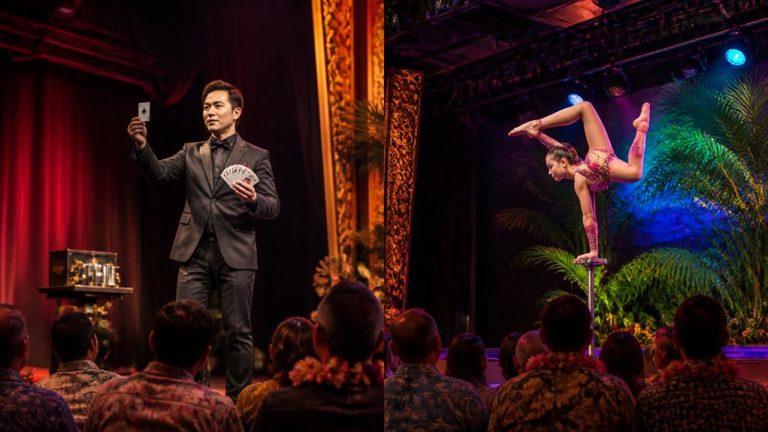
Often, stage magic feels less like a private puzzle and more like a shared event that sweeps across the whole room at once. In a stage show, you see bigger props, wider motions, and routines built for clear sightlines. Effects need to read from far away, so the magician leans on bold visuals like vanishes, levitations, escapes, or a sudden production of something large.
You also notice special lighting, music, and microphone cues shaping the timing. Acts unfold in segments with an opener, a feature, and a closer that aims big. Assistants and stagehands help move apparatus and steer attention. Behind the curtain, setup matters too. Props travel, cues get rehearsed, and even modest shows often need early load-in and simple crew coordination backstage. At a Honolulu magic show, that full-room sense of wonder is often part of what makes the evening feel so memorable.
Still comparing Close Up Magic Vs Stage Magic: What You’ll Actually See?
Ask for tour ideas, hotel suggestions, or a simple trip plan that combines both.
Trip Helper
How Audience Experience Changes

You feel the biggest shift in how magic meets you: stage shows pull you into a shared spectacle, while close-up magic invites you into an intimate moment right at arm’s reach. From your seat, distance, lighting, and sound guide your attention onstage, but at a table you watch every finger move and might even hold the coin or sign the card. That change in space also changes your role, because sometimes you join the trick and sometimes you simply ride the wave with the whole room. Sitting in the front row can make stage magic feel more thrilling, but also more intense if you prefer a little distance.
Shared Spectacle Vs Intimacy
A close-up trick can feel like a secret passed across the table, while a stage illusion hits like a wave that rolls through the whole room. With close-up magic, you don’t just watch. You see a borrowed ring vanish near your fingers, or a coin appear in your palm, and the shock feels personal. Only a few people share that miracle at once.
In stage shows, you experience the opposite pleasure. Big props, music, lighting, and smooth choreography turn one impossible moment into a room-wide gasp. Your seat can shape that feeling too, especially when best seats let you catch both the full illusion and the crowd’s reaction. You trade private astonishment for a shared jolt that bounces from seat to seat. If an event blends both formats, you get the best itinerary: personal wonder early, then a finale everyone can cheer, laugh, and remember together.
Attention, Distance, And Participation
What changes next is your job in the miracle. In a closeup show, you stand within arm’s reach, often under three feet, so the magician can borrow your ring, place coins in your palm, and let you inspect the cards. That nearness makes every twitch matter, and your face becomes part of the feedback. For shy guests, close-up magic can feel more intense because the interaction is personal and immediate. The performer can pivot fast, win over one cluster, then another, and adjust to your raised eyebrow or laugh. On stage, you watch from fifteen to fifty feet away, so bigger props, brighter lighting, and cleaner shapes carry the effect. Participation narrows to a volunteer or two. You share gasps with the room instead of testing the trick yourself. One setting feels like a secret. The other feels like weather.
Why Close-Up Magic Feels Personal
Step right up and close-up magic starts to feel personal the moment it happens within arm’s reach. You aren’t watching from afar. You’re at the table, hearing cards snap, seeing coins flash, and sometimes holding the very objects in play. When close-up magicians borrow your ring or ask you to shuffle your own deck, the mystery lands on a personal level. It feels direct and oddly intimate.
Because the action happens inches from your eyes, every move must survive scrutiny, timing, and tricky angles. You can inspect props, touch them, and still miss the secret. That closeness invites conversation too. The magician uses your name, reads your reactions, and builds rapport fast. Gasps, laughter, and eyebrows spread table to table, making each impossible moment feel yours. At some Honolulu shows, phone photo policy rules may allow phones while restricting larger cameras, which helps keep the close-up experience smooth and unobtrusive.
Why Stage Magic Feels Bigger
Often, stage magic feels bigger because the whole room gets pulled into the same moment at once. You don’t just watch a trick. You feel a production building around it.
Stage magic feels larger because the whole audience gets swept into one shared, rising moment at the same time.
- Larger props, bright lighting, and swelling sound make stage magic readable from the back row.
- Shows usually rise in shape: a clear opening, a featured centerpiece, then a strong closer.
- Microphones, music cues, assistants, and stagehands sharpen timing and keep every sightline tidy.
- Big visuals like levitations and vanishings land harder at distance, while close-up magicians thrive on details.
When hundreds of people gasp together, you feel the air change. Even simple methods can hit harder with theatrical pacing, controlled focus, and a little polished chaos behind the curtain for everyone in the house too. That shared energy is a big reason many visitors decide a Waikiki magic show is worth their time.
How Tricks Adapt From Close-Up to Stage

That bigger stage feeling changes the tricks themselves. When you watch close up magicians move to stage, tiny card and coin moments often vanish unless they rise from pelvis to chest and get rebuilt for wider sightlines. A quick test helps: lift the action and see what still reads from the back row.
You’ll notice some pieces travel beautifully. Torn and restored objects, flowing cloth, and oversized props like a giant coin, or a stage-sized Invisible Deck stay clear at distance. You also hear the difference. Fast little hits become longer features with beats, callbacks, music, lighting, maybe an assistant, or projection. If a trick depends on fingertip detail, spectator-held items, or touchy angles, it needs a serious makeover or stays up close instead. Good stage adaptations also protect the wonder by emphasizing theatrical experience over exposing how the method works.
How to Choose the Right Magic for Events
For a room full of mingling guests, close-up magic usually lands best. You get direct moments, quick laughs, and card magic that sparks conversation table by table.
- Choose close-up for cocktail hours, networking nights, and receptions.
- Pick stage for awards, after-dinner shows, or one big shared finale.
- Try parlour when you want intimacy for 30 to 100 guests with lighter tech.
- Check logistics. Close-up fits in pockets. Stage needs space, a mic, simple lights, and setup time.
Think about your goal, not just the loudest wow. If you want personal interaction, choose close-up and stage only when you need everyone focused on one polished moment. Match the room, the schedule, and the mood. That choice feels smoother, and your guests notice the difference immediately. If you’re planning a night out, knowing what to bring to a magic show in Waikiki can help you stay comfortable and focused on the performance.
Frequently Asked Questions
How Long Does a Typical Magic Performance Usually Last?
Typically, you’ll see a magic performance last 30 to 90 minutes, though performance length depends on venue, act style, and audience pacing. For private events, you’ll often get shorter sets; theater shows usually run longer.
Do Magicians Need Special Lighting or Sound Equipment?
Sometimes you don’t need much, yet everything changes: you’ll want basic lighting and clear sound for impact. Bigger shows may add Special effects and Ambient music, while close-up acts often keep equipment minimal and portable.
Can Guests Film or Photograph the Magic Performance?
Yes, you can usually film or photograph the performance, but you should ask first, respect audience etiquette, and consider privacy concerns, since some magicians restrict recording to protect secrets, guests’ comfort, or venue policies carefully.
Is Magic Suitable for Children and Mixed-Age Audiences?
Absolutely, you’ll have a million laughs, because magic can delight kids and adults together when you choose age appropriate content and tailor pacing to different attention spans, so everyone stays engaged, amazed, and talking long afterward.
How Much Space Does a Magician Usually Need?
You usually need surprisingly little space, magicians can perform in intimate settings with just a few feet, while larger acts need more room. If you’ve got clear sightlines and mobile setups, you’ll accommodate most performances comfortably.
Conclusion
You choose the distance, and that choice shapes the wonder. Stand inches away and you’ll hear the snap of a card, feel the cool weight of a borrowed ring, watch a coin vanish in plain sight. Sit farther back and you’ll catch bright lights, clean lines, bigger props, and one shared gasp rolling through the room. Pick close-up for conversation. Pick stage for spectacle. Pick the one that best fits your crowd, space, and mood.

Toa Luau at Waimea Valley, Oahu
Toa Luau invites you to immerse yourself in the beauty and excitement of Polynesia on Oahu’s historic North Shore! Book any one our 3 Luau seating o...

Waikiki Turtle Canyon Guided Snorkel: Turtle Guarantee
Choose Viator’s most-reviewed Turtle Canyon snorkel tour, with more than 4,800 traveler reviews and an experienced...

Oahu: Mauka Warriors Luau Honoring Polynesia's Forgotten History
Step into the vibrant heart of Hawai‘i and experience a luau like no other—where culture, history, and celebrati...

Oahu Grand Circle Island Experience from Waikiki
Enjoy Grand Circle Island experience tour with breathtaking views of Amelia Earhart Lookout on Diamond Head, admire...