
Like stepping into Houdini’s spotlight, you might find the front row at a magic show thrilling or a little too close for comfort. You catch every silk scarf, sharp sound, and raised eyebrow, but you may also crane your neck, spot hidden mechanics, or become the volunteer clutching a rubber chicken. Before you book that seat, it helps to know when front row feels electric and when it just feels like work.
Key Takeaways
- Front row feels exciting and boosts your chances of being picked, but it can also feel intense if you dislike attention or surprises.
- If the stage is high, front-row seats can cause neck strain and make it harder to see the full stage comfortably.
- Sitting extremely close may reveal hand movements, prop sounds, or hidden cues that weaken the mystery.
- Rows 3–5 often give the best balance of immersion, comfort, clear sightlines, and strong interaction chances.
- Families, shy guests, and sensory-sensitive viewers usually enjoy the show more a few rows back than in the front row.

Oahu Grand Circle Island Experience from Waikiki
Enjoy Grand Circle Island experience tour with breathtaking views of Amelia Earhart Lookout on Diamond Head, admire Chinaman’s Hat in front of Kualo...

Oahu: The Magical Mystery Show! at Hilton Waikiki Beach Hotel
Step back in Hawaii's history to 1881 when King Kalakaua visited London. You've found the hidden gem of Oahu. This i...

Oahu Circle Island Snorkeling Tour: Dole, Pali Lookout & More
Looking for the BEST VALUE & MOST COMPLETE Circle Island Snorkeling Tour? Join us for the ultimate full-day, action-...

Oahu Catamaran Snorkel Tour: See Turtles 100% Guaranteed
Experience one Viator's 2025 Top 20 Best Excursions in the country. This Oahu Catamaran snorkel tour offers unbeatab...
Is Front Row at a Magic Show Worth It?

So, is front row at a magic show actually worth it? Sometimes, yes, but it depends on the room and the act. In Las Vegas, some stages sit high, so the very front row can mean a stiff neck and a weaker view of tricks played farther back. Rows four through eight often give you a cleaner angle.
You also might see too much. A few seats back can hide mechanics that become obvious when you’re almost under the props. In small theaters with curved seating, rows three and four often hit the sweet spot between closeness and comfort. For a Honolulu magic show, arriving early also helps if you want time to settle in and judge whether your front-row view feels comfortable before the performance starts. Still, front row can pay off when performers thrive on nearby reactions. Mac King is a good example. Before you book, check the venue layout, stage height, and performer notes carefully first.
Why Front Row Feels So Intense
Because you’re only a few feet from the stage, front row at a magic show can feel less like watching and more like stepping into the act. You catch every flick of a wrist, every grin, every sudden burst of motion. That closeness makes Mindreading Magic feel personal, almost suspiciously personal.
In the front, you also lose some comfort. If the stage sits high, you may spend half the night looking up and shifting your neck while larger illusions happen farther back. You’re also easier for the magician to spot, so audience participation feels one beat away. That can spark excitement or make your palms sweat. Oddly, sitting too close can expose tiny mechanics that rows back never notice. That broader view often keeps the mystery smoother and the whole show easier to enjoy. If you are tempted to document the experience, check the venue’s photo policy before the show, since Honolulu magic performances may limit or prohibit photography.
Who Will Love Front Row?
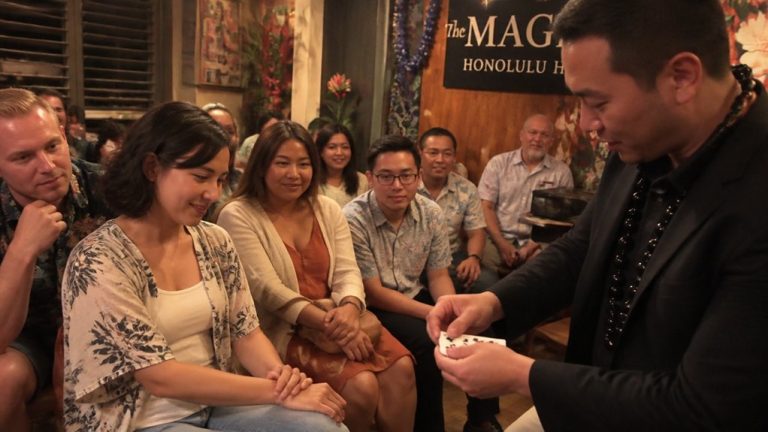
If you love a fast pulse and the real chance of getting called onstage, front row puts you right in the spark zone, especially in rows 1 to 3. You’ll catch the snap of cards, the flash of a silk scarf, and the magician’s eye contact before the trick even lands. If you want big energy and don’t mind a jump scare or two, you’ll probably grin the whole time. In many Honolulu performances, interactive magic is part of the appeal, so sitting close can make the experience feel even more personal and unpredictable.
Thrill Seekers
Often, the front row is perfect for thrill seekers who want the show to feel less like a performance and more like an event happening in their lap. Sit in the front and every flash, bang, and sudden reveal feels bigger. You catch the scrape of a prop on the stage, the rustle of costumes, and the magician’s quick glance before a surprise lands. That closeness can be a rush, especially if you love jump scares and illusions that seem to burst into your space.
In a place known for a Waikiki magic show, that kind of up close energy can be exactly what makes the experience feel worth your time. Still, thrill comes with tradeoffs. You may crane your neck when action moves deeper on a high stage. You might also spot tiny mechanics that soften the mystery. If you want excitement without losing the view, rows three or four often hit the sweet spot there.
Audience Participation Fans
Front row also has a special pull for people who don’t just want to watch the show. If you love Audience participation, Front-row seats put you in the sweet spot for being picked, especially near the middle. In a compact room like the Imagine Showroom, you can hear the patter, see cards flash, and feel props zip your way. You might catch a tossed ball, get a shout-out, or help with a close-up bit. That energy feels electric if you like being part of the action. Still, the very front can show too much. Some mechanics become easier to spot, and looking up at a high stage can tire your neck. If you want involvement with better comfort, try the front section a few rows back instead for your next visit. Even in a Honolulu magic show, shy guests can still enjoy the experience without feeling pressured to participate.
Still comparing Front Row At A Magic Show: Fun Or Too Intense?
Ask for tour ideas, hotel suggestions, or a simple trip plan that combines both.
Trip Helper
Who Should Avoid Front Row?

You may want to skip the very front if you’re bringing a young child, if you startle easily, or if you like seeing the whole stage at once. Up close, a raised platform can block parts of the action, loud bursts can hit harder, and tricks set farther back may feel oddly distant. You’ll usually get a better balance of comfort, sightlines, and surprise a few rows back, where the magic still feels close but not quite in your lap. Following basic magic show etiquette can also help you choose seats that make the experience more comfortable for everyone.
Young Children And Shorter Guests
Sometimes the closest seats aren’t the kindest ones for young kids and shorter guests. Front-row seats can force you to tilt your head toward a high stage, and your child may still miss action happening farther back. If the magician works the room, loud crowd interaction lands on you faster, which can feel like homework in sparkle. You also sit close enough to catch hand positions and stage shifts, so the wonder thins out. For many families, rows four to eight give a fuller view without the crane. Row G often hits the sweet spot. Premium rows three or four add cushioned half-booth comfort and better sightlines for shorter guests, too. In Honolulu venues, comfortable seating can make mid-range rows feel even better for families who want less strain and a calmer view. You’ll usually leave happier, with fewer stiff necks and a better view.
Sensitive Or Easily Startled
Often, the best seat for a sensitive or easily startled guest isn’t the front row at all.
- If you’re easily startled, skip front-row or VIP seats. Reviewers describe jump scares, sudden crowd interaction, and direct performer engagement that can feel intense.
- You’re also more likely to get picked for participation, like catching a frisbee or ball. If surprise spotlighting makes you tense, sit several rows back.
- In intimate Magic venues of about 120 seats, sounds hit harder and quick movements feel closer. Rows 4 to 8 or premium half-circle rows 3 to 4 add breathing room.
- Sitting too close can mean neck strain from looking up, plus a clearer view of mechanics. A few rows back keeps the wonder, minus the jolt for you.
After the show, if the performance felt especially personal or interactive, you may also wonder about tipping etiquette for magicians.
Viewers Wanting Full-Stage Sightlines
Sightlines matter more than bragging rights when a magic show spreads action across the whole stage. If you want the full picture, Front-row seats can work against you. In Niagara and Las Vegas, reviewers often note high stages that make you tilt your head and miss tricks happening farther back. A few rows up, especially Row G, usually gives you cleaner angles and less neck strain. In compact rooms like the Imagine Showroom or Horseshoe Las, the slight rise and curved seating help ensemble illusions read better. You also lower your odds of getting pulled into a bit with a flying prop. Honolulu visitors comparing venues should weigh best seats as carefully as the show itself, since room layout can matter as much as the performer. Check reviews for your magician, though. Some acts, like Piff or Mac King, reward close seats despite the tradeoff in view overall.
Does Front Row Hurt Your View?
Why can the closest seat in the house give you a worse look at the magic? Front row sounds ideal, but you can end up craning your neck toward a high stage and missing action farther back. One reviewer at a Criss Angel show said exactly that. At a Honolulu magic show, the best experience often comes from seeing the full flow of stage illusions rather than sitting as close as possible.
- You look up too much, so your neck gets tired fast.
- You lose the full picture when assistants or props move across the rear of the stage.
- In curved rooms like the Imagine Showroom, VIP seats feel thrilling, but Premium seats in rows 3–4 are often more comfortable.
- If you’re bringing kids, Front row can still leave them blocked by stage height, so rows 4–8 usually give you the clearest view without sacrificing that close-up buzz entirely.
Can Front Row Reveal the Tricks?

When you sit right on the edge of the stage, you can sometimes catch the wires, props, or setup that the rest of the room misses, and that can take a little sparkle out of the illusion. You’ll usually keep more mystery from about rows D to G, where the angle feels smoother and the backstage seams stay tucked away. If you still want a good shot at audience interaction without studying the magician’s homework, rows 3 or 4 often hit the sweet spot. Bringing essential items for a Waikiki magic show can also help you stay comfortable and focused on the performance instead of the distractions around you.
Too Close To Deceive
Although the front row sounds like the ultimate magic seat, it can put you a little too close to the machinery of wonder. In the Front Row, you don’t just watch. You inspect. On a high stage, you crane your neck and miss action farther back, even though the spotlight tells you where to look. You may also catch the tiny tells that a Magic Dragon should never surrender.
- You spot hidden handoffs.
- You notice trapdoors, wires, or cueing glances.
- You lose the full picture on tall illusions.
- You hear every shuffle, scrape, and backstage thump.
In small theaters, curved seating and low stages can make secrets feel practically touchable. That’s thrilling, until curiosity replaces astonishment for many first-timers there. This is especially true in stage magic, where distance is often part of how the illusion works.
Best Rows For Mystery
How close is too close at a magic show? If you want mystery to survive the night, you usually shouldn’t choose the front row. Up close, you may crane your neck toward a high stage, catch a flash of hidden mechanics, or miss action happening farther back. Reviewers often say rows 4–8 feel just right. From there, you stay near enough to hear the patter, see the cards flick, and still let the illusion breathe. Premium seating in rows 3 or 4 can be a smart middle ground too, with clear sightlines and cushioned chairs. Still, the magician matters. In small rooms, close seats can expose more. Honolulu audiences choosing among magic shows by vibe may find that the ideal row depends as much on venue layout as on the performer. With performers like Piff or Mac King, though, being near the stage can add extra fun.
How Much Audience Interaction Happens?
Usually, audience interaction is a real part of the show, especially if you’re in a small theater with about 120 seats. In places like Las Vegas, a Comedy Magic Show such as Nathan Burton Comedy often works the room hard, so you won’t just sit and watch.
- Sit center in rows 2 to 5, and your chances rise fast.
- Catch a tossed frisbee or ball, and you might head onstage.
- Choose row 3 or 4 for the sweet spot of action and comfort.
- Even from GA, you can still get picked, though side and rear seats lag.
Up front, you’ll feel the lights, hear every laugh, and sometimes get surprise close-ups. That can feel thrilling, a little intense, and very memorable indeed for sure. If you’re wondering about getting picked, front-row and center seats usually give you the best odds of becoming part of the trick.
Is Front Row Too Much for Kids?
Often, front row feels exciting for kids right away, but it isn’t always the easiest place for them to enjoy the whole show. They may crane their necks, miss big illusions, or spot mechanics that spoil the surprise. Small venues can feel cozy, though, and front-row energy can be thrilling, like a tiny Cirque du Soleil with more eye contact.
For a magic show for kids, ages and temperament matter too, since younger children may love the excitement but also get overwhelmed more quickly up close.
| What you notice | What your child feels |
|---|---|
| Looking up hard | Neck gets tired |
| Tricks too close | Mystery fades |
| Loud volunteer moments | Excited or shy |
| Tiny room, soft seats | much better |
After about thirty minutes, stool seats a few rows back can actually help you keep kids comfortable and still close enough for surprises without feeling overwhelmed. That balance often keeps the magic intact too.
Are Premium Seats Better Than Front Row?
Why do so many regulars pick Premium over front row? You get close sightlines without craning your neck at a tall stage. In smaller rooms, premium often means cushy half-booths or guaranteed chairs instead of a lone stool. You still feel the snap of cards and the hush before a reveal, but you won’t risk spotting too much backstage business. In Honolulu, many guests find that VIP seats are worth the splurge when they want a more comfortable, elevated magic-show experience.
- Comfort: Premium seating favors your back and gives you room to settle in.
- Interaction: You still have strong odds of getting picked without front-row strain.
- Logistics: seat upgrades can be worth it, and resale strategies stay simpler.
- Access: accessibility options are usually easier to confirm in Premium sections.
If you crave maximum thrill, front row still wins.
Why Rows 4–8 Are Often Best
If you sit around rows 4 through 8, you usually get the best balance of the whole stage without craning your neck or staring up at a high platform. You stay close enough to catch the flash of silk, the snap of cards, and the hush before a reveal, but not so close that you spot the nuts and bolts behind the trick. In many theaters, that little band of seats feels like the sweet spot, where you keep the magic and skip the sore neck. It also helps to check the venue’s dress code so you feel comfortable and appropriately dressed for the show.
Better Sightline Balance
Because magic depends on what you see and what you don’t, rows 4 through 8 usually give you the sweet spot. You get an optimal vantage with strong detail and better stage perspective. In many theaters, Row D to H delivers visual comfort and real neck relief, so you can watch cards, scarves, and grand reveals without craning upward. You’re also close enough to feel the hush before a vanish and still take in the whole scene. Many Honolulu magic shows also run long enough that a balanced seat can make the full experience more comfortable from start to finish.
- Aim for center seats.
- Arrive 30–45 minutes early.
- Rows 4–5 often feel ideal.
- In small theaters, you stay immersed and may still get picked to participate.
That balance makes the show feel sharper, smoother, and a lot less like a neck workout tonight
Avoiding Trick Exposure
Although the front row sounds like the boldest choice, it can put you so close that a high stage, awkward angle, or a flash of hidden setup takes some of the wonder out of the act. Move back a few rows and you usually protect the mystery. Reviewers often point to rows 4–8 as the sweet zone, where your audience vantage widens and the stage angles work in your favor. You catch the full picture instead of peeking at obscured mechanisms, sleights, or props near the wings. In small rooms, rows 3–4 can still feel premium without turning you into an accidental inspector. But when illusions play big, sitting too close can make the trick feel less like magic and more like backstage traffic. That little shift can save the surprise and sharpen every reveal. For anyone reading a quick FAQ before booking, this middle-section seating advice is one of the easiest first-timer tips to use.
Comfort Without Distance
Comfort matters almost as much as mystery at a magic show, and rows 4–8 usually give you both.
- You get clear sightlines, especially in compact rooms like the Imagine Showroom, where curved seating helps faces, props, and misdirection stay sharp.
- You avoid the neck strain front-row guests often mention, and better seat ergonomics improve lap comfort and armrest positioning.
- You stay close enough to feel involved. Middle rows still get picked, yet you keep a pleasant buffer when a rabbit, silk scarf, or volunteer suddenly appears.
- You also protect the illusion. From rows D–H, you see the show as intended, not so near that secret moves flash into view, and not so far that expressions disappear or applause loses its warm, room-filling crackle too.
If you are planning around start times in Honolulu, those middle rows also make it easier to settle in comfortably without feeling rushed before the magic begins.
Which Magic Shows Suit Front Row?
Lean in, and front row can feel like part of the act for the right kind of magic show. You’ll enjoy it most when the performer works small, fast, and personal, like a Street magician indoors, a Close up sleight-of-hand comic, or an Interactive workshop where volunteers handle cards and props. In a 120-seat room with curved seating, you can catch every grin, whisper, and coin clink.
You should still match your seat to the act. Front row shines with performer-led comedy and nimble hand work, especially in shows like Piff or Mac King. For many productions, though, rows 3 or 4 give you the sweet spot: better sightlines, comfy chairs, and almost the same chance of getting picked. Check recent reviews before booking.
When Front Row Is a Bad Choice
Front row isn’t always the magic seat. Sometimes it asks too much of your body and attention. If the stage sits high, you’ll spend the night craning upward, and that neck strain can outlast the finale. You may also miss action set farther back.
- You can get so close that hidden mechanics peek through.
- Your personal space may vanish during volunteer bits or jump scares.
- Loud music, flashing props, and sudden entrances can create sensory overload.
- You might lose the big-picture spectacle that feels richer a few rows back.
Many reviewers suggest rows 4 to 8 instead. You still catch faces, cards, and quick handwork, but you get better comfort, fuller sightlines, and fewer accidental spoilers. Magic needs a little mystery to work best.
How Theater Layout Changes Everything
In one theater, the front row feels thrilling, but in another, the layout changes the whole experience. You notice stage geometry right away. In a small curved room with about 120 seats, a raised platform can put the magician almost above you, so you crane your neck and lose the easy wonder. In wider rooms, several rows create cleaner sightlines and keep bulky set pieces from blocking the action. The acoustic implications shift too. Props thump louder up front, while dialogue may sound clearer once you’re not under the stage lip. Aisle access matters as well. Front stools and extreme center spots can feel exposed, while curved sections, half-booths, and six-person clusters feel softer, roomier, less like you’re volunteering for frisbee to the face.
What Seat Should You Book Instead?
Often, the sweet spot sits a few rows back, where you can relax into the show instead of staring up at it. You get better viewing comfort, cleaner sightlines, and enough audience proximity to feel the room buzz when a card snaps or a curtain swishes.
- Book rows 4 to 8 for balanced seat selection and a full-stage view.
- In small theaters, premium rows 3 to 4 often feel worth it.
- In curved, intimate venues, choose center seats in rows 3 to 5.
- Skip the very front so you won’t crane your neck or catch trick mechanics.
A couple rows back still keeps you close for possible participation. You stay in the magic, not under it. That angle lets surprises land cleanly and naturally.
How to Choose the Best Magic Show Seats
For the best mix of wonder and comfort, aim a few rows back instead of lunging for the rail. In many illusion shows, rows D through H give you the full picture without neck strain or awkward angles that can expose mechanics. If you want a smart middle ground, choose Row 3 center or nearby premium seats. That’s where seating psychology works in your favor. You feel close, but not under the magician’s elbows.
Also think about acoustic considerations and entry logistics. In small curved theaters, most seats see well, but back-row stools can feel punishing after thirty minutes. If you have GA tickets, arrive forty to forty-five minutes early, or at least thirty, and claim centered seats in your section before doors open.
Frequently Asked Questions
Can You Leave Your Seat Easily During a Magic Show?
Yes, you can usually leave your seat during a magic show, but you’ll need audience etiquette, good aisle access, and smart exit timing so you don’t disrupt illusions, block views, or struggle with quiet re-entry.
Do Front-Row Seats Cost Significantly More at Magic Shows?
Yes, like chasing the brightest star, you’ll usually pay considerably more for front-row magic seats because ticket pricing climbs with seat demand and venue markup. You can often save money by choosing premium rows instead nearby.
Should You Avoid Front Row if You Wear Glasses?
Yes, you should usually skip the front row if you wear glasses, because you’ll risk vision distortion, lens reflections, and poor frame comfort; you’ll see better a few rows back and won’t strain your neck.
Are Front-Row Seats Good for Taking Photos Before the Show?
Yes, like walking a tightrope, you’ll get striking pre-show shots from front-row seats if you follow camera etiquette. You can capture staged backgrounds, but you’ll face lighting challenges and risk spoiling tricks, so shoot carefully early.
Do Magic Shows Use Volunteers From the Front Row Only?
No, you’ll see magicians use volunteers beyond the front row, because audience psychology, volunteer selection, and stage proximity all matter. They often choose visible, reachable guests a few rows back, not just front-row seats either.
Conclusion
Choosing your seat at a magic show is a little like choosing how close to stand to a campfire. Too near, and you feel every spark, every shuffled card, every sudden bang in your chest. A few rows back, the flame still warms you, but the shape of the story comes into view. If you want wonder without the neck strain or surprise handshake, book center seats in rows three to five. Let mystery keep its velvet curtain.