If you want great behind-the-scenes footage, you can’t move like you own the set. You check in with the First AD, keep your kit light, and stay clear of eyelines, cables, and that glowing little island called Video Village. You wait for permission before filming and keep interviews short enough to fit between resets and coffee sips. Do that well, and the set starts to open up in ways most people never get to see.
Key Takeaways
- Check in with the First AD before filming, confirm permissions, and follow all restrictions on timing, placement, and off-limits areas.
- Ask cast or reps before rolling, respect privacy, and avoid trailers, rest areas, makeup, and craft services unless invited.
- Stay out of eyelines, monitors, and crew pathways, and never cross between actors and the main camera without clearance.
- Keep your setup small and quiet, move only when necessary, and capture a short shot list efficiently.
- Schedule interviews during approved breaks, keep them brief, and prioritize production needs over getting extra footage.

Toa Luau at Waimea Valley, Oahu
Toa Luau invites you to immerse yourself in the beauty and excitement of Polynesia on Oahu’s historic North Shore! Book any one our 3 Luau seating o...
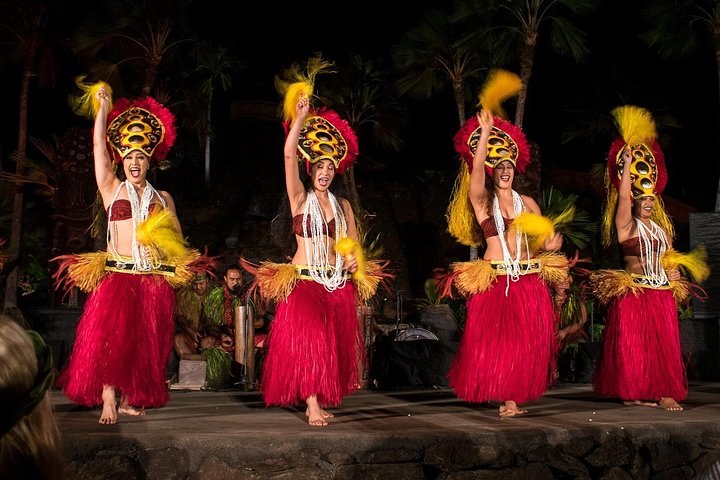
Oahu: Chief's Luau Admission
Attend a luau on Oahu produced by the Original World Fire Knife Dance Champion, Chief Sielu. During this 3 to 3.5-...

Oahu Circle Island Snorkeling Tour: Dole, Pali Lookout & More
Looking for the BEST VALUE & MOST COMPLETE Circle Island Snorkeling Tour? Join us for the ultimate full-day, action-...

Oahu Majestic Circle Island Tour with Waimea Falls and Byodo Inn
Since 1974, E Noa Tours has specialized in showing visitors the real Oʻahu through immersive experiences led by pas...
Check In With the First AD First
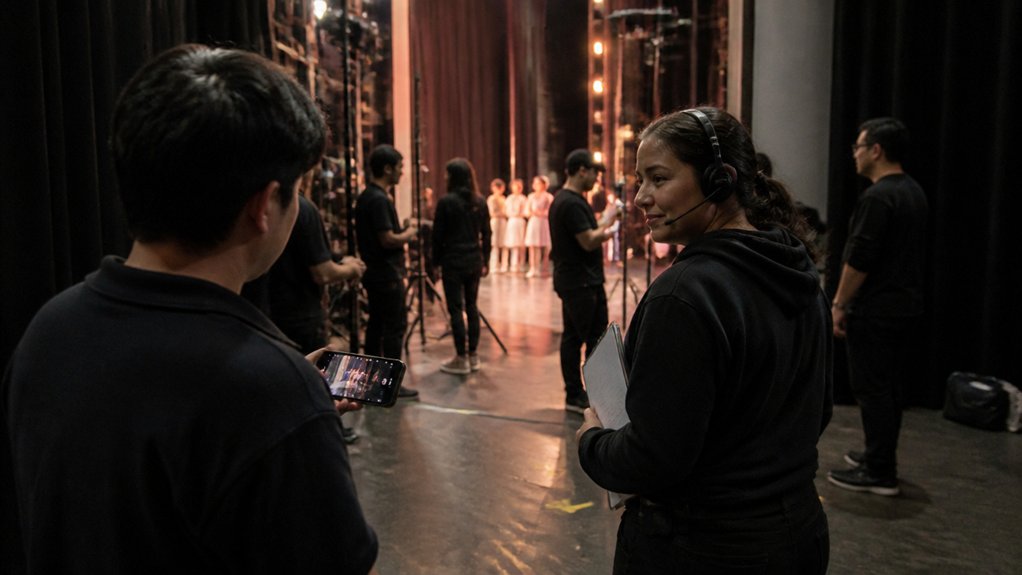
Before you lift a camera, find the First AD and introduce yourself like you mean business. Tell them why you’re there, what gear you’ve brought, and how long you’ll need. That quick check-in gets you logged into the day and pointed toward the safety briefing. Then ask for permission, not guesses. Find out where you can stand, when you can film, and which scenes or actors are off limits. Get a clear verbal OK before you roll, especially between setups or during breaks. If you need to move lights, batteries, or a tripod, route it through the First AD so rules and safety stay tidy. Keep checking back if your timing slips, and stop fast when you hear quiet, reset, or full speed suddenly. If the production includes audience access concerns, ask early about accessibility needs so your filming setup does not block accommodations or create extra barriers.
Treat Production as the Priority
On a working set, you’re a guest, so you keep production moving and your footprint small. You don’t film takes or rehearsals without a clear yes, and you grab quick interviews in approved spots instead of clogging Video Village like it’s a coffee bar. When you stay compact, ask before touching anything, and leave as soon as you’ve got the shot, the whole place runs smoother and you’re welcome back. Just like magic show photography often depends on venue rules, filming on set should always follow the production’s photo and video policies.
Production Comes First
Even if you’re there to capture the magic, the real job is to stay out of the way while the machine keeps moving. Start by introducing yourself to the 1st AD and getting clear permission. That one step can save everyone a long time and keep the day on schedule.
Then make sure the publicist confirms interview times and locations in writing. Verbal nods from a helpful PA won’t cut it. Bring only what you need. Don’t borrow production gear, and clear any power request with the electrical team first. The same planning mindset applies off set too: for live performances, knowing the best time to arrive helps you avoid disrupting the flow once the show begins.
Respect the rhythms around you. Cast and crew need space to work, eat, and reset. Skip private meals, trailer moments, and off camera chats unless someone explicitly invites you in. That’s how you stay useful, welcome, and trusted on set.
Stay Out Of The Way
Although a set can feel like a backstage pass to something glamorous, your job is to move through it like a ghost with good manners. Introduce yourself to the 1st AD first, then wait for clear permission before stepping on set. One wrong entrance can burn thousands per hour, a lesson crews learned years ago.
- Stand in approved spots and freeze during takes.
- Never block eyelines, sightlines, monitors, or video village.
- Clear BTS filming with the 1st AD and publicist.
- Need power, props, or access? Ask the right department.
Being too visible can make your presence feel like front row intensity at a magic show, exciting for you but overwhelming for everyone trying to focus. Keep craft services off-limits unless invited. Don’t borrow gear. Don’t drift toward actors unless told. If you’re unsure, say something quietly and early. Staying small helps production move fast and keeps everyone calm on schedule.
Get Permission Before Filming on Set
Before you lift the camera, line up approval with the publicist, then check in with the 1st AD the moment you arrive, because that’s the person who keeps the set moving and the floor from turning into a traffic jam. Ask exactly where you can stand, what you can film, and whether actors, rehearsals, or certain corners of the set are off-limits, so you don’t catch a private beat or a locked scene by mistake. If you need to get close to cast or props, get permission first, follow every limit exactly, and keep your hands off the gear unless production says otherwise. Good show etiquette also means staying quiet, unobtrusive, and respectful of the performance while you record.
Still comparing How To Film A Show Without Being Annoying?
Ask for tour ideas, hotel suggestions, or a simple trip plan that combines both.
Trip Helper
Secure Advance Approval
To keep the set calm and your welcome intact, get approval at least 48 hours ahead from the 1st AD and the production publicist. Treat it like an advance checklist, not a formality. Ask what you may film, where you may stand, and when cameras must stay dark.
- Get written consent by email or release.
- Request scope clarification on takes, rehearsals, trailers, and private spaces.
- Check union or studio rules, gear use, craft services, and sound or lighting clearance.
- Confirm Video Village etiquette, monitor access, and recheck permissions when you arrive.
Keep that approval on your phone or in your bag. A quiet set runs on timing, soft footsteps, and fewer surprises. It saves awkward whispers, blocked hallways, and the panic of guessing wrong. Just as a first-timer’s guide helps visitors know what to expect before attending a Honolulu magic show, advance approval helps you avoid mistakes before filming begins.
Clear Cast Boundaries
Maneuvering a working set starts with one simple move: introduce yourself to the 1st AD and get clear permission for any BTS filming, even if a publicist already said yes. That handshake puts you inside the day’s rhythm and keeps surprise cameras from becoming your accidental brand. Then treat cast agreements as real guardrails. Ask each actor, or their rep, before you roll. Respect personal space. Don’t grab lunch-table chatter, trailer-door moments, or that quiet stare before action. If anyone hesitates, stop fast and smile. Keep yourself out of eyelines, and don’t hover by monitors unless invited. A few friendly consent reminders protect trust, protect performances, and keep you welcome when the set gets busy and the walkie-talkies start crackling between setups and reset calls. Similar sensitivity matters off set too, since a Honolulu magic show can be a great fit for shy guests when performers and audiences respect comfort levels.
Confirm Allowed Areas
On a busy set, your access should feel less like guesswork and more like a marked map. Before you arrive, ask the 1st AD and publicist to spell out your permitted zones and access windows.
- Confirm which rooms you can enter and when.
- Get clearance documentation for monitors, video village, and BTS shots.
- Ask if you may film rehearsals, takes, or only resets.
- Treat trailers, makeup, craft services, and rest areas as no-go unless invited.
If you need power, props, or a camera position, clear it with the AD or department head first. Don’t touch union gear or set pieces. A quick ask saves you from dirty looks, cut footage, and that awful hush after one wrong move. Sets remember everything, especially small trespasses. Just like a first-time visitor at a Honolulu magic show should check venue rules before recording, you should confirm filming boundaries before you roll on set.
Stay Out of Eyelines and Crew Space
From the edge of the action, you can watch a set breathe without getting in its way. Stand at least 10–15 feet from the main scene and outside marked camera or lighting eyelines. That little buffer helps performers stay locked in. Keep your phone, head, and rig low, ideally at chest level or on a short tripod. To maintain peripheral calm, minimize movement and control reflections, avoid Video Village unless invited. At Honolulu magic shows, phones vs cameras rules may differ, so check the venue’s photo policy before recording. When you need a new angle, slip behind the set or follow taped walkways. Never cross between actors and camera unless the First AD clears it. Quietly flag your move to the AD or nearby crew, then wait for the pause between takes. Sets notice everything, even your sneakiest shuffle and glowing screen.
Keep BTS Interviews Short and Simple
Once you’ve learned how to stay invisible near the action, the same rule applies when you ask people to talk. Keep each BTS interview to 5 to 10 minutes, and bring 6 to 8 concise questions in a conversational tone.
- Check with the First AD and publicist first.
- Book interviews during non-working breaks.
- Use one compact camera and a lavalier for rapid setup.
- If someone just finished a heavy scene, grab two or three questions in 2 to 3 minutes.
That approach gets clean soundbites without clogging the set. Just as Close-Up Magic relies on what audiences can actually see from nearby, BTS interviews work best when your setup stays minimal and unobtrusive. You’ll hear the hum of lights, feel the rush of call times, and still leave almost no footprint. Short, simple chats make everyone look good. They also save you from retakes and awkward hallway loitering.
Respect Downtime, Privacy, and Boundaries
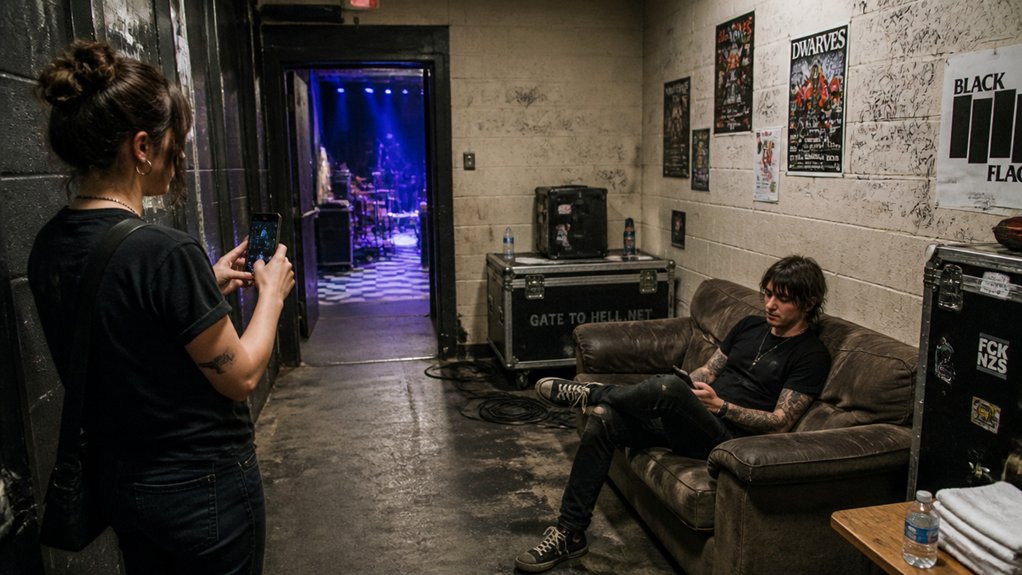
Because a set runs on trust as much as call sheets, you need clear permission before you film any cast downtime or behind-the-scenes moments. Ask the First AD or publicist first. Consent culture keeps access open. Just as venues share details about wheelchair accessible shows so guests know what to expect, crews should communicate filming boundaries clearly before anyone records off-camera moments.
| Place | Do | Don’t |
|---|---|---|
| Video Village | Keep a respectful distance | Hover in eyelines |
| Rest areas | Wait to be invited | Follow talent inside |
| Craft services | Ask before taking food | Film people eating |
Honor personal space. Don’t film phones, trailers, or lunch breaks. If someone asks for privacy, stop recording at once and tell the AD or publicist. You’ll protect recovery time, keep the day smooth, and avoid becoming the human mosquito nobody wants near. Corners, folded chairs, and clinking forks all signal off-limits moments, even when the set looks inviting.
Wrap Quickly Once You Have the Shot
Usually, the best move is to get the must-have shots, confirm they’re clean, and get out while the set still feels smooth. You’re there to gather what matters, not camp beside the monitors. Build a tight checklist, then move with purpose.
Get the must-have shots, confirm they’re clean, and move on before the set loses its rhythm.
- Grab the essential three to five shots: a wide, two mediums, and a close-up.
- Tell the First AD or publicist your window, like ten minutes for three setups, then honor it.
- Keep gear lean: one lav, one soft LED, pre-tested for a quick strike in two minutes.
- Use continuous rolling when it helps, check portable playback fast, call “that’s a wrap,” and clear to staging.
That discipline feels light on set. It also leaves room for lucky late-take sparks, without chasing perfection. If you are heading to a performance afterward, planning Waikiki magic show transportation without a car can help you keep the same low-friction mindset through the rest of the evening.
Frequently Asked Questions
What Camera Settings Work Best for Low-Light Set Environments?
You’ll get the best low-light results by using a Fast Lens wide open, a Slow Shutter near double your frame rate, and High ISO only as needed; shoot LOG, expose bright, and test limits beforehand.
How Should I Organize and Back up Footage After Filming?
You should copy every card to two drives, use File cataloging with consistent folders, run checksum verification before erasing media, create proxies, keep a shooting log, apply version labeling, and store one backup off-site nightly.
Do I Need Production Insurance for Behind-The-Scenes Filming?
Yes, you usually need production insurance for behind-the-scenes filming because it gives you legal protection, liability coverage, and risk management. You should confirm requirements in writing, carry a COI, and make sure your gear’s covered.
What Microphone Setup Is Best for Quick On-Set Interviews?
Like a needle finding thread, you’ll get the best quick interview audio with Lavalier placement near the chest, a Handheld recorder for backup, and Shotgun mounting overhead when lavs aren’t allowed, always ask first, move discreetly.
How Can I Dress Appropriately While Filming on a Professional Set?
You should wear neutral colors, comfortable shoes, and layered clothing on a professional set. Avoid jewelry, loud patterns, and reflective fabrics, and check with the AD so you won’t distract talent or break safety rules.
Conclusion
If you move like a guest and listen like a local, you’ll leave with better footage and fewer side-eyes. Check in, stay small, and read the room. A quiet cart squeak, a strip of gaffer tape, a whispered reset call, those details tell you where to stand and when to stop. The set runs on rhythm, and your job is simple: catch the spark without stealing the light. Then pack up and disappear for now.