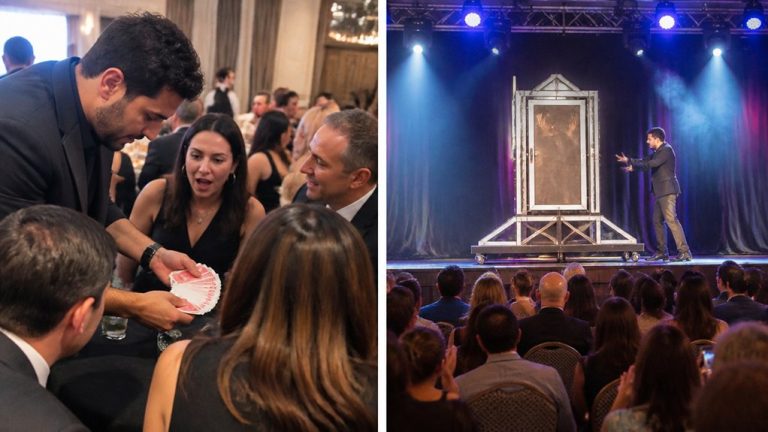

When you watch a magician, you don’t just follow the trick. You follow a smile, a shrug, a bright silk, a hand that seems almost too casual. Misdirection works because it feels normal. Your eyes land where the performer wants, and your doubts do too. A pause here, a joke there, a move slipped into a blink, and the moment glides past like clean sleight on felt. The real question is what you never think to check.
Key Takeaways
- Magicians use misdirection to guide attention deliberately, so one moment is watched while another passes unnoticed.
- Visual cues like gaze, gestures, posture, and movement naturally pull the eyes without feeling forced.
- They also direct suspicion by making a harmless explanation or location seem more important than the real method.
- Timing is crucial, with secret actions placed during laughs, questions, pauses, or other natural breaks in attention.
- Effective misdirection feels ordinary and conversational, blending hidden moments into casual actions and normal behavior.

Oahu Circle Island Snorkeling Tour: Dole, Pali Lookout & More
Looking for the BEST VALUE & MOST COMPLETE Circle Island Snorkeling Tour? Join us for the ultimate full-day, action-packed adventure that will guide y...

Oahu Catamaran Snorkel Tour: See Turtles 100% Guaranteed
Experience one Viator's 2025 Top 20 Best Excursions in the country. This Oahu Catamaran snorkel tour offers unbeatab...

Oahu Grand Circle Island Experience from Waikiki
Enjoy Grand Circle Island experience tour with breathtaking views of Amelia Earhart Lookout on Diamond Head, admire...

Oahu: Full or Half Day Grand Circle Island Tour
Choose from two exciting ways to experience Oahu's top attractions, scenic beauty, and local culture.Option 1: Dol...
What Misdirection Means in Magic

When you watch a magician, misdirection isn’t just about making you look left while the secret happens on the right.
In magic, misdirection means you’re being guided with purpose. The magician shapes your attention so the audience follows one moment while another quietly unfolds. Sometimes that’s visual misdirection, with a glance, gesture, or flash of color to divert your eyes. Sometimes it’s mental misdirection, where your suspicion settles on the wrong idea. Tommy Wonder favored positive direction: give you something genuinely interesting to watch. That feels natural and keeps the room easy. Misdirection can also include masking, where sound, motion, or timing covers a detail. Done well, it feels less like control and more like a pleasant detour through surprise, right on schedule tonight. Good magic show etiquette helps audiences stay present, which makes that guided attention feel smoother for everyone in the room.
Misdirecting Attention vs. Misdirecting Suspicion
That broad idea of guided attention gets sharper once you separate two different jobs a magician has to do.
First, misdirection of attention moves your eyes. A lifted hand, a coin, gestures, or a gaze can divert the audience when no one has fixed on a spot yet. You use that kind of misdirection for actions that stay hidden if people simply look elsewhere. This plays differently in Close-Up Magic than in stage magic, because what you actually see changes with distance, scale, and viewing conditions. But when a locus of suspicion exists, you need misdirection of suspicion. Then you steer belief, not sight. You suggest a false cause or location, so spectators think the object traveled or stayed put somewhere else. A rule is simple: if the move isn’t invisible, ask where suspicion lives, then guide eyes or mind without making the push feel bossy.
Why Natural Misdirection Works Better
Because the best misdirection feels like ordinary life, it slips past your guard instead of setting off alarms. Natural misdirection works because you don’t feel pushed around. When performers avoid overt commands and preserve conversation, you relax and reduce suspicion. An undirected-feeling sequence uses subtle cues, casual gestures, and attention diversion that seem almost accidental. You might notice an indifferent card, hear a throwaway comment, then follow your own curiosity. That sense of joint discovery matters. It feels more surprising than tour-guide control. Even spontaneous looks-away help, because they let actions hide inside normal social motion. Nothing announces itself. Everything feels plausible, like a smooth street scene where every passerby seems to choose their own view and still miss the tiny turn you needed. Great performances also preserve wonder by avoiding explicit explanations, since magic shows stay stronger when the audience feels amazed rather than instructed.
How Timing Makes Misdirection Feel Invisible
Even the cleanest misdirection can fail if it lands a beat too early or too late, which is why timing does so much of the invisible work. You notice the joke, the question, the rustle of a sleeve, and your attention shifts at natural breaks.
That’s when a magician places a secret move. Tiny pauses, often just a blink long, soften vigilance. A sleight can slip through while eye gaze wanders to a face, a hand, or the laugh you didn’t expect. If the move looks rushed, audience focus snaps back, so performers slow the obvious actions and tuck the hidden one into a quick flourish. That balance is psychological timing. Early on, it rides attention. Later, it rides belief. Rehearsed well, it feels casual, like perfect directions from a local. Even in a Honolulu performance, magic show photography can change how people divide attention, which is why audience awareness matters as much as the method itself.
Frequently Asked Questions
Can Misdirection Work in Close-Up Magic as Well as on Stage?
Yes, you can see it work: Eye contact, Hand diversion, Pocket mechanics, Table angles, Finger flicks, Close proximity, Natural gestures, Breath timing, Micro sleights, and Audience touch steer your attention, so you won’t catch everything.
Do Magicians Practice Misdirection Separately From Learning Tricks?
Yes, you’d practice misdirection through practice drills, timing exercises, and psychological studies, while building attention management, gaze control, distraction cues, rehearsal routines, tactile training, rhythm awareness, and silent cues into tricks until they feel automatic.
Can Audiences Train Themselves to Spot Misdirection More Easily?
Yes, you can, like tuning a radar: attention training, focused practice, and situational awareness sharpen pattern recognition for social cues and timing rhythms, despite perceptual limits, change blindness, cognitive load, and expectation management blinding you sometimes.
Is Misdirection Ethical if the Audience Knows They’Re Being Fooled?
Yes, you’re ethical if you respect consent boundaries, psychological consent, and spectator autonomy; you create ethical entertainment through informed deception, transparent illusion, performer accountability, trust dynamics, cultural norms, and educational value without causing real harm.
Do Beginner Magicians Rely Too Heavily on Misdirection?
Yes, you juggle smoke: your overreliance pitfalls become a confidence crutch; timing neglect, rote gestures, exposure risk, skill imbalance, audience dependency, rehearsal shortcuts, improv avoidance, and technique laziness can stunt you before strong fundamentals develop fully.
Conclusion
You leave a magic show noticing small things differently. A glance lands. A hand pauses. A bright scarf rustles and your brain happily takes the bait. Once you see how attention, suspicion, natural movement, and timing work together, the whole room suddenly feels like a map of tiny choices. It’s almost a billion little detours packed into one smooth moment. That’s the fun of misdirection without spoilers. You understand more, yet the wonder still sticks.