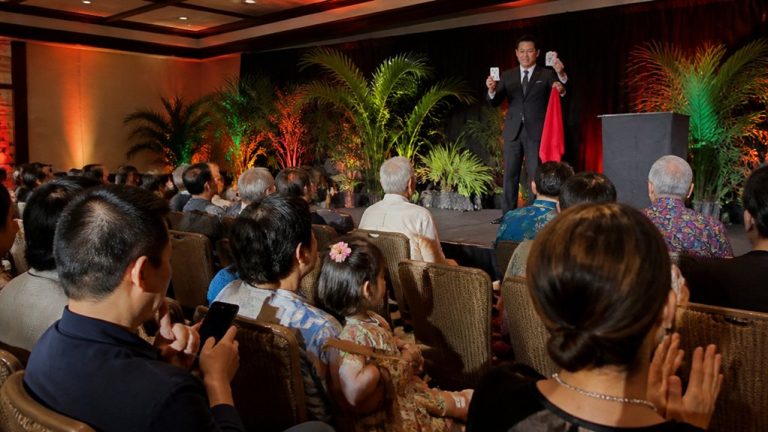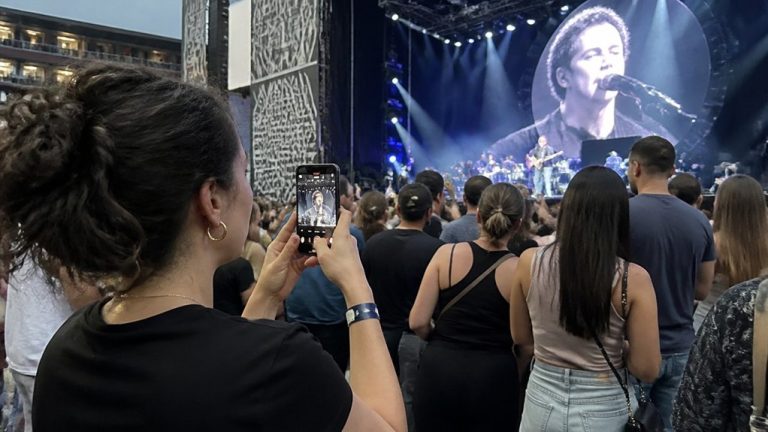

A great magic show can feel like a locked door that opens with light instead of words. If you don’t speak English well, you can still enjoy the gasp of a disappearing car, the flash of silk, the drumbeat, and the clean surprise of a trick that lands right in front of you. Some shows make that easy, while others hide the fun inside fast jokes and chatter. The difference matters more than you might think.
Key Takeaways
- Magic shows can be great for limited English if they focus on big visual illusions, music, movement, and clear stage pictures.
- Best picks include David Copperfield, Blue Man Group, and Cirque-style shows because they rely less on dialogue.
- Avoid talk-heavy acts like Penn & Teller, where jokes, banter, and audience interaction carry much of the experience.
- Check YouTube clips and recent reviews before booking to see whether spectacle outweighs spoken explanations.
- Choose shows with simple visual setups, strong payoffs, and minimal chatter so the effects are easy to follow.

Toa Luau at Waimea Valley, Oahu
Toa Luau invites you to immerse yourself in the beauty and excitement of Polynesia on Oahu’s historic North Shore! Book any one our 3 Luau seating o...

Oahu: Chief's Luau Admission
Attend a luau on Oahu produced by the Original World Fire Knife Dance Champion, Chief Sielu. During this 3 to 3.5-...

Oahu Circle Island Snorkeling Tour: Dole, Pali Lookout & More
Looking for the BEST VALUE & MOST COMPLETE Circle Island Snorkeling Tour? Join us for the ultimate full-day, action-...

Oahu Majestic Circle Island Tour with Waimea Falls and Byodo Inn
Since 1974, E Noa Tours has specialized in showing visitors the real Oʻahu through immersive experiences led by pas...
Which Magic Shows Work Best Without English?

Usually, the best magic shows for non-English speakers are the ones that tell the story with what you can see, not with a stream of talk. If you’re choosing in Las Vegas, start with David Copperfield. His big illusions lean on images, movement, and surprise, so you can enjoy the mystery without decoding every line. Blue Man Group also lands beautifully. You get drums, paint, glowing props, and deadpan chaos instead of long speeches. Cirque-style magic works the same way. It gives you acrobatics, music, shadows, and eye-filling stage pictures. Another smart way to choose is to think about whether a show feels more like Close-Up Magic or stage magic, because larger visual staging is usually easier to follow without English. I’d skip Penn & Teller unless you love English-heavy comedy. Criss Angel’s Cirque show is a shakier bet too. When you’re unsure, preview YouTube clips before you book seats for your travel night out.
What Makes a Magic Show Easy to Follow?
You’ll follow a magic show more easily when the big moments are clear on sight, like a levitation, an escape, or a prop that practically announces the trick before anyone speaks. You’ll also have a smoother time when the act skips long jokes and chatty banter, leaning instead on music, pantomime, and clean staging that tells you where to look. If you watch for universal cues like spotlight shifts, gasps from the crowd, and projected captions or simple program notes, you won’t feel lost even when the English comes fast. It also helps to know the best arrival time ahead of a Honolulu magic show, since getting settled early makes it easier to follow the visuals from the start.
Visual Clarity
Clarity is the real headliner in a magic show when language falls away. You follow the wonder fastest when each effect reads instantly from your seat.
- Big visuals like levitations and giant vanishings tell the story through motion, scale, and surprise.
- Minimal talking keeps your focus on what your eyes can confirm.
- A simple setup, a clear turn, and a strong payoff help you track the trick without translation.
- Music, rhythm, and mime cue entrances, pauses, and reveals, almost like travel signs for amazement.
- High-contrast staging, clear sightlines, and close-up screens make every silk, shadow, and sleight readable.
- Even front row seats can feel thrilling or a bit intense, so strong staging helps every audience member follow the action comfortably.
When the visuals stay crisp, you don’t need perfect English. You just need attention, a decent seat, and maybe one raised eyebrow for the whole ride.
Minimal Spoken Comedy
Often, a magic show gets much easier to follow when the comedy happens in the body, not in the microphone. If you’re a traveler with limited English, minimal spoken comedy helps you relax and watch the action. You catch the joke through visual misdirection, big gestures, music, and timing, not through setup lines. That’s why Copperfield-style illusions, Cirque-flavored segments, Blue Man Group, and Le Rêve work so well for non-English speakers. The laugh lands in the eyes first. In many Honolulu shows, audience participation and visual staging also make the experience easier to understand without relying on much dialogue. Before you buy tickets, watch clips online. If the crowd reacts to a vanish, a tableau, or a ridiculous physical beat instead of punchlines, you’ll follow the show easily. Skip acts built on chatter, explanations, and cold reads. Those can make the magic feel like homework.
Universal Audience Cues
Usually, the easiest magic shows to follow give your eyes a clear job from the start. You track the floating body, the vanished cage, the reappearing scarf, and you rarely need translation.
- Big visual effects keep the story visible.
- minimal spoken exposition lets you read action, not dialogue.
- Repeated moves, mime, and bold faces show you what’s important.
- props and signage give quick clues with cards, ropes, labels, or subtitles.
- musical and rhythmic cues tell you when a trick turns, lands, or reveals.
When a show uses these universal signals, you stay oriented. First-time visitors reading a Quick FAQ before a Honolulu magic show often know what visual cues to expect. You can relax, watch hands and timing, and catch the joke when the magician acts surprised too. That clarity feels like good travel signage: simple, bright, and hard to miss anywhere.
Still comparing Is A Magic Show Good If You Don’t Speak English Well?
Ask for tour ideas, hotel suggestions, or a simple trip plan that combines both.
Trip Helper
Which Vegas Magic Shows Use the Least Talking?

If you want a Vegas magic show that works even when your English doesn’t, you’ll usually do best with visual-first picks like David Copperfield, Blue Man Group, or Le Rêve, where the big illusions, music, lights, and movement carry the night. You’ll want to skip talk-heavy shows like Penn & Teller if you don’t follow English well, because so much of the fun comes through fast banter and spoken bits between tricks. Since many shows mix in comedy filler, you can save yourself a bad seat and a long evening by watching a few YouTube clips first. If you want a simple way to compare options, guides that sort shows by vibe and venue can make it easier to spot visual, tourist-friendly picks fast.
Visual-First Magic Picks
Spotlights, smoke, and giant stage pictures matter more than punchlines when you want a Vegas show that works without much English.
- Choose Blue Man Group for rhythm, paint, and visual gags.
- Pick David Copperfield if you want huge illusions over chat.
- Look for Cirque-style staging with music, acrobatics, and clear imagery.
- Watch YouTube previews first to judge how language-dependent a show feels.
- Arrive early, but note some pre-shows use written English.
You’ll usually do best with spectacle-led productions. Blue Man Group speaks very little during the main performance, so you can follow the beats through drums, color, and movement. David Copperfield at MGM also plays well across languages because the scale carries the story. If words matter less, your night gets easier overall. If you want a more comfortable experience, VIP seats can be worth the splurge because being closer helps you catch visual details without relying on spoken explanations.
Talk-Heavy Shows To Avoid
Often, the easiest way to pick a Vegas magic show is to ask how much talking you’ll have to sit through. If you want the clearest answer on talk-heavy shows to avoid, start with Penn & Teller. Their act leans hard on spoken jokes, explanations, and audience reads, so non‑English audiences can miss most of the fun. You’ll do better with visual spectacles. Blue Man Group barely speaks at all, trading words for drums, paint, and goofy sight gags. Cirque du Soleil shows like LOVE and Le Rêve tell stories with bodies, lights, and music instead of chatter. David Copperfield still uses some English setup, but his illusions land visually. Good visual magic keeps the sense of wonder alive without needing every word explained. Skip Criss Angel’s Cirque-style show too. Reviews stay rough, and confusion isn’t worth your ticket.
Why Comedy Magic Shows Are Harder to Follow
Because comedy magic depends so much on talk, it can be surprisingly tough to follow when your English is limited. In comedy magic, you don’t just watch tricks. You track jokes, pauses, and audience interaction, and if those fly by, the visual effects can feel like islands between missing parts. In any magic show vs comedy show comparison, language-heavy comedy usually asks more from non-native speakers than visual magic does.
- Rapid banter hides punchlines and timing.
- Local jokes don’t travel well.
- Cold reads need quick language pickup.
- Long stories can blur strong illusions.
- YouTube clips reveal the balance fast.
If a show’s official videos lean on monologues instead of action, you’ll probably work harder than relax. That’s why more visual productions often feel smoother, funnier, and easier to enjoy. You may admire sleight of hand, but the laughs arrive a beat too late.
Is David Copperfield Good for Non-English Speakers?
For many international visitors, David Copperfield is one of the safer bets on the Strip if your English isn’t strong. His biggest strengths for non-English speakers are visual illusions, scale, and mood. You can follow the floating, vanishing, and cinematic stage pictures without catching every line. He still uses some narration and audience moments, so it’s smart to arrive early, settle in, and sample recent YouTube clips first. If you’re also deciding whether a Waikiki magic show is worth your time, the same rule applies: visual, low-dialogue productions are usually the easiest for non-English speakers to enjoy.
| You notice | You feel |
|---|---|
| Dark velvet, bright light, sudden disappearance | Wonder beats vocabulary |
| Big stage images, simple story cues | David Copperfield stays easy to track |
The room feels plush, the music swells, and mechanics stay clear even when dialogue doesn’t. If you want almost zero language dependence, compare him with wordless spectacle shows before you book.
Is Penn & Teller Too Language-Heavy?

Penn & Teller sits on the opposite end of the spectrum from David Copperfield if your English is limited. You can still enjoy flashes of mischief, but this Las Vegas act leans hard on language.
- Penn & Teller use spoken humor to set up effects and land punchlines.
- Forum chatter often estimates the show feels about 90% English.
- Cold reads and audience banter drive many key moments.
- Some visual illusions and physical gags still play clearly.
- Without English, talky stretches may feel like filler between tricks.
Like many magicians, they also rely on misdirection to guide attention, which can still entertain even when you miss parts of the dialogue.
If you love watching personalities spar, you’ll catch the vibe. If not, you may admire the craft yet miss the brainy sting and much of the fun that makes longtime fans laugh and gasp at the same time.
How to Check Language Levels Before Booking
Before you book, do a quick language check the same way you’d check a hotel room view. Watch full-show clips on YouTube. Read fresh reviews for language complaints. Then scan listings for pre-show announcements, surtitles, or translation devices. Phrases like visual/spectacle, music-driven, or no spoken words usually signal an easier night. Also check the venue’s phone photo policy, since some Honolulu magic shows may allow phones but restrict cameras.
| Check | What you’ll notice |
|---|---|
| YouTube clips | Lots of chatter or mostly silent amazement |
| Recent reviews | Confused pacing versus easy, universal fun |
| Theatre listing | Captioning, surtitles, or headset options |
| Show description | Visual/spectacle and music-first wording |
| Fan forums | Notes on cold-reading, banter, crowd talk |
If the clips feel wordy, keep looking. If the stage tells the story with light, motion, and gasps, you’re probably in good hands tonight.
What to Ask About Language and Accessibility
Before you book, ask how much of the show depends on spoken English, since some magicians pack the night with commentary or cold reads while others lean on visual illusions and silent surprises. You should also check whether the venue offers subtitle devices, surtitles, or an app, because that small screen can save you from guessing through the jokes. Don’t forget the lobby and pre-show messaging either, since English-heavy signs or videos can muddy the experience before the first rabbit even appears. Asking about show accessibility in advance can help you understand whether the Honolulu magic show is set up for guests who do not speak English well.
Spoken Content Level
Start by asking the box office how much of the show depends on spoken patter, since that one detail can make or break the night if you don’t speak much English.
- Ask if the magician uses lots of talk or audience cold reads.
- Check the ratio of tricks to spoken segments between illusions.
- Find out whether there are pre-show announcements, written text, or projections.
- Ask if any scenes are nonverbal or pantomime and easy to follow visually.
- Request video clips so you can judge the language load yourself.
- If you want to remember visual moments later, also ask about the venue’s photo policy before the show.
A quick sample often tells you more than a brochure. Some acts sparkle through visuals, music, smoke, and timing. Others lean on jokes and explanations. If the answer sounds vague, trust that little warning bell and keep shopping for a clearer, more welcoming night.
Subtitle Device Availability
At the same time, ask the box office whether the venue offers subtitle or translation devices, because that small piece of gear can turn a confusing night into a smooth one. Many theatres lend a translation device or caption unit for free, but you should call ahead to confirm languages and pickup rules. Ask whether they offer Spanish, Japanese, Mandarin, or something else, since options change by venue and production. Some performances have audience-wide subtitles or live surtitles only on certain dates, so verify your night. You can also check whether the show works with GalaPro, which can place subtitles on your phone for a fee, often about five dollars. If you need assistive listening, ask whether reservations or an ID deposit are required. If you are comparing venues, look for wheelchair accessible shows in Waikiki and ask whether accessibility services can be arranged at the same time as your language support.
Pre-Show Language Barriers
Once you’ve checked on subtitle gear, ask a few questions about the language around the show itself, because the barrier doesn’t always begin with the first trick.
- Ask how much spoken patter fills the act and how much is in English.
- Check whether pre-show signs, screens, or house announcements use written English.
- See if headphones, subtitles, or translation devices cover the lobby and commentary too.
- Confirm the language of opening acts, musicians, or any pre-show dialogue.
- Ask if there’s a more visual, less verbal version of the show.
These details shape what you catch before the lights drop. A velvet seat and glowing marquee feel magical, but clear access matters more than glitter. You’ll enjoy surprises more when the setup doesn’t leave you guessing. Good magic show etiquette also means asking these questions politely and early, so staff have time to help.
When Should You Choose a Visual Show Instead?
If a show leans heavily on talking, you’re usually better off choosing a visual one instead. A good rule is simple: if 30 to 50 percent or more depends on jokes, stories, or explanations, skip it. Some acts, like Penn and Teller, are brilliant but about 90 percent English, so the point can vanish. You’ll likely enjoy a visual show more, especially one built on acrobatics, music, and images with minimal spoken dialogue. In Honolulu, understanding the difference between a magic show and a cirque-style act can help you pick a performance that works better across language barriers. Think Cirque du Soleil, Le Rêve, Blue Man Group, or a magic show centered on big illusions, like David Copperfield. Before you buy, watch clips online. If you notice more banter than spectacle, move on. Ballet, opera with seat subtitles, and Disney musicals also travel well. Your ears can relax there.
Which Show Is Best for Non-English Speakers?
Usually, the safest bet for a non-English speaker is David Copperfield. You can follow his giant visuals, disappearing acts, and sharp stage pictures without needing much spoken setup.
For non-English speakers, David Copperfield is the easiest win: big visuals, clear action, and almost no language barrier.
- David Copperfield gives you big illusions and easy-to-read action.
- Blue Man Group uses rhythm, paint, lights, and silence, so you won’t chase words.
- Penn & Teller lean hard on English, jokes, and explanations, so you’ll miss more.
- Preview YouTube clips first. You’ll quickly see whether a show talks too much.
- Check TripAdvisor, Yelp, and current listings for bilingual acts or visual shows like Le Rêve.
If language feels shaky, choose the show your eyes can understand first. Magic lands better when you aren’t translating every joke. That simple choice saves energy and keeps the night fun from start to finish. If you’re planning a night out, checking the dress code ahead of time can also make the evening smoother.
Frequently Asked Questions
Can Non-English Speakers Still Volunteer on Stage During Magic Shows?
Yes, you can still volunteer on stage at many magic shows, especially when performers use Nonverbal cues during Volunteer selection. Language barriers matter more in talk-heavy acts, so you should alert staff early for help.
Are Magic Shows Suitable for Children Who Don’T Speak English?
Like a VHS rewind, yes, you’ll find many magic shows suit children who don’t speak English when performers use visual storytelling, interactive props, and gesture cues, though heavily talk-driven acts can still lose your child easily.
Do Vegas Magic Shows Provide Subtitles or Translation Headsets?
Usually, you won’t find subtitles or headsets at Vegas magic shows, but some venues offer translation devices. You should check ahead for multilingual announcements, captioned screens, or options, because availability varies by theater and performance.
Will Seating Location Affect Understanding of a Visual Magic Show?
Yes, your seat can shape what you understand. Choose center seats near the front for Front row dynamics without losing Peripheral visibility; avoid side angles and balconies, where Sightline obstruction hides sleight-of-hand, gestures, props, and reactions.
How Long Are Most Magic Shows for First-Time International Visitors?
Most magic shows for you run 60–120 minutes; savvy sightseers should expect typical durations around 90 minutes. You’ll notice intermission lengths of 10–20 minutes, while pacing differences make lounge sets shorter and headliner productions longer.
Conclusion
If English isn’t your strong suit, you can still follow the rabbit into the hat. Choose a show built on light, music, movement, and clean visual surprises. You’ll read the story in a levitating body, a burst of fire, or a silent grin from the stage. Check clips before you book. Ask about subtitles or translation gear. Then grab seats with a clear view, settle in, and let the spectacle do the talking for you.