
About 1 in 4 Americans say they tip for personal services even when it’s not required, which makes the magician question more interesting than it first seems. When the applause fades and the last card vanishes, you’re left with a small social puzzle: was that just a booked performance, or did the magician earn a little extra for the surprise, the charm, and the smooth save when a kid tried to grab the rabbit?
Key Takeaways
- Tipping a magician is usually optional, but appreciated when they exceed expectations or handle challenges smoothly.
- For standout shows, a typical tip is 10–20% of the fee, or simply rounding up small bookings.
- Tip more if the magician stays late, adds extras, manages rowdy guests, or works under difficult conditions.
- At private or corporate events, check with the host or organizer first, since public tipping may be discouraged.
- If you cannot tip cash, offer Venmo or PayPal, write a specific positive review, or send referrals.

Toa Luau at Waimea Valley, Oahu
Toa Luau invites you to immerse yourself in the beauty and excitement of Polynesia on Oahu’s historic North Shore! Book any one our 3 Luau seating o...

Oahu: Chief's Luau Admission
Attend a luau on Oahu produced by the Original World Fire Knife Dance Champion, Chief Sielu. During this 3 to 3.5-...

Oahu Circle Island Snorkeling Tour: Dole, Pali Lookout & More
Looking for the BEST VALUE & MOST COMPLETE Circle Island Snorkeling Tour? Join us for the ultimate full-day, action-...

Oahu Catamaran Snorkel Tour: See Turtles 100% Guaranteed
Experience one Viator's 2025 Top 20 Best Excursions in the country. This Oahu Catamaran snorkel tour offers unbeatab...
Should You Tip a Magician?
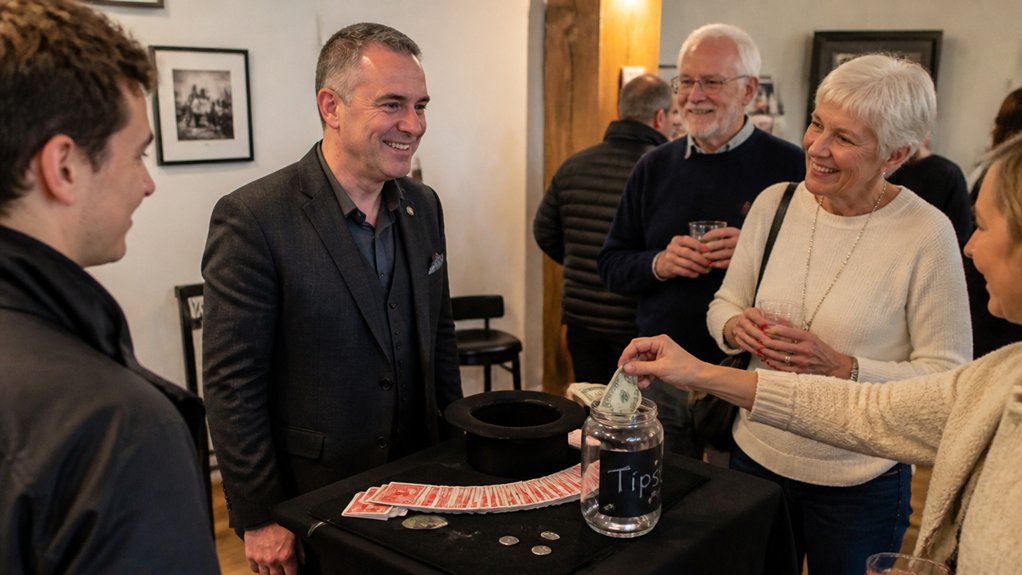
Should you tip a magician? Yes, but it’s usually your call. If a professional magician leaves your guests laughing, gasping, and leaning closer to the table, a little extra feels natural. Many hosts round up the fee or add 10 to 20% for standout work, while small events often land around $10-$15 as a simple thank-you. At birthday parties, that can feel especially fitting when the performer keeps kids focused through chaos and balloon squeaks. Employment matters, too. A self-employed act may keep the full fee, while someone booked through a company may see only part of it. Shows with strong interactive magic often feel even more tip-worthy because guests become part of the experience instead of just watching from the sidelines. Skip the tip jar at most private or corporate bookings. If cash isn’t handy, leave a glowing review or send a warm referral instead later.
When Should You Tip a Magician?
When a magician does more than the booking required, that’s usually the moment a tip makes sense. Maybe your birthday performer stays an extra fifteen minutes, twists balloons on the fly, or saves the room when kids get rowdy and cake appears early. In those moments, a 10 to 20 percent tip feels fair.
- At a children’s show, you might round $85 up to $100.
- At a corporate event, check venue rules and bring cash beforehand.
- After strong stage magic under pressure, tip especially if the magician works for a company.
If the act runs smoothly because the performer solved surprises you barely noticed, that’s your cue. Being in the front row at a magic show can feel thrilling for some guests and overwhelming for others, so handling that energy well is another sign of extra skill. And if cash isn’t possible, leave a sharp online review or referral for them.
When Is Tipping Optional?
Often, tipping a magician is a nice extra, not a rule. You might tip when the show runs long, the tricks turn personal, or the magician calmly wins over fussy kids at your Birthday Party. If the performer works for a company, tipping can matter more because they may keep only part of the fee. Good show etiquette also means keeping the handoff discreet so the focus stays on the performance.
| Situation | Your move | Why |
|---|---|---|
| Great show | Optional tip | Extra sparkle |
| No cash | Leave review | Helps bookings |
If nothing unusual happened, you shouldn’t feel less generous for skipping cash. A discreet handoff works better than a visible jar. You can also round up, like $85 to $100, or offer a warm, specific compliment after the final applause or send prompt praise through the booking site the next morning with details included.
How Event Type Affects Magician Tipping
Across event types, magician tipping follows the room more than the trick. You should read the setting first. At a corporate banquet or polished private party, venue etiquette usually says no public tipping, especially if the client already paid and contract clauses cover the performance. At public gigs, the rules loosen, and audience engagement often ends with bills in a hat, a jar, or an open case.
Tip the room, not just the act: private bookings usually skip it, while public shows often welcome a hat or jar.
- Corporate or private client-paid events: Ask the organizer first.
- Festivals, bars, restaurants, and street spots: Tips are commonly welcome.
- Agency-booked shows and family parties: Norms vary, so check before you bring cash.
If plans change, review the show’s cancellation policy before assuming any extra payment or gratuity still applies. You don’t need to force the moment. Sometimes the smoothest move is simply honoring the host’s wishes and the room’s tone there.
How Much Should You Tip a Magician?
You’ll usually land in the 10 to 20 percent range, or simply round an $85 fee up to $100 when the show leaves your guests grinning and the room buzzing. You can tip more when the magician stays late, twists balloon animals, keeps a wiggly crowd on track, or handles surprises with cool confidence. If the performer works for an entertainment company, not solo, your extra cash often matters more because they may take home only part of the booked fee. Just like paying extra for VIP seats can be worth it for a better Honolulu magic show experience, tipping more can make sense when the service feels especially elevated.
Still comparing Should You Tip A Magician After The Show?
Ask for tour ideas, hotel suggestions, or a simple trip plan that combines both.
Trip Helper
Standard Tip Range
For most private-party bookings, a good tip for a magician lands around 10 to 20 percent of the fee, which means about $8.50 to $17 on an $85 show or $20 to $40 on a $200 booking.
Use payment etiquette and basic gratuity norms as your guide, then keep tipping psychology in mind: people remember simple, thoughtful gestures after the cards snap shut. A Honolulu magic show can also be a comfortable choice for shy guests, which makes a kind thank-you feel even more appreciated after the performance.
- If you booked the magician directly, you can round $85 up to $100.
- If an agency sent the performer, $10 to $20 or a modest percentage feels standard.
- If cash isn’t workable, give a glowing review, a quick referral, or a small thank-you gift.
That approach feels easy at the door, in the living room, or beside the cake table after applause ends.
When To Tip More
Often, a bigger tip makes sense when the magician does more than the contract promised and keeps the whole room buzzing.
| Situation | Why tip more | Example |
|---|---|---|
| Extended set | Better performance longevity | 45 minutes became 60 |
| Tough crowd | Strong audience interaction | Kids stayed locked in |
| Extra services | More value delivered | Balloon twisting after |
| unexpected challenges | Host stress dropped | Late booking, hard travel |
If you booked a $85 private party, you might round up to $100. That’s especially fair when the magician is self-employed and paid for props, gas, or helpers. Tip 10 to 20 percent more when guests clap louder, compliment the act, or when surprise tricks save the day. This applies whether you’re hiring for a backyard birthday or deciding if a Waikiki magic show is worth your time. You should also lean higher for last-minute calls, rainy load-ins, or roaming magic that runs long. When a performer improvises around spills, shy kids, or noisy uncles, your extra cash feels earned, not ceremonial at all.
Should You Tip a Self-Employed Magician?
If you hire a self-employed magician, you usually don’t have to tip because the booking fee goes straight to them, but extra cash still feels like a warm round of applause. You’re also helping cover the unseen parts of the job, from props and balloons to gas, setup, and the quiet chore of taxes after the last rabbit joke lands. Ticket prices for a Honolulu magic show can vary based on the venue, seating, and what’s included, which helps explain why some performers build more of their costs into the booking fee. If the show goes beyond expectations, you can round up the fee or add 10 to 20 percent, and if cash isn’t handy, a glowing review or a sincere thank-you at the door still works magic.
Self-Employed Tip Expectations
Start with the booking basics: when a magician is self-employed, they usually set their own rate and keep the full fee, so a tip isn’t expected in the same way it might be with staff at a venue. That gives you Pricing transparency and clearer Profit margins under Independent contracts. You can treat any extra as a thank-you for standout service, not a hidden obligation. For first-time visitors comparing options, a Quick FAQ can help clarify what to expect before the show.
- If the agreed fee was $85, you might round up to $100.
- If the show felt extraordinary, 10 to 20 percent is a warm gesture.
- If you’re unsure, ask before the party. Most solo pros will say tipping isn’t required, but they’ll appreciate it when the last laugh lands and the applause sounds nearby like popping corn.
Costs Beyond Performance
That flat show fee can look simple on paper, yet a self-employed magician usually pays a surprising stack of costs before the first card flips. You might picture applause, not behind the scenes costs, like costumes, props, balloons, insurance, ads, and replacement trick supplies. Travel adds more: mileage, parking, load-in, and load-out eat time and money. Then come equipment depreciation and recurring party materials, often $10–30 per show for balloons, candy, prizes, or AV gear. Many performers also fund professional development through classes, lectures, and practice tools. If you booked through an agency, the magician may see only part of the fee. When you weigh those real expenses, the headline price feels less like pure pay and more like a carefully packed travel bag. At a Honolulu magic show, those behind-the-scenes expenses still shape what the performer actually takes home after the night ends.
When Extra Cash Helps
Because a self-employed magician covers everything from balloon bags and spare props to mileage, practice hours, and business taxes, a tip often lands as real help rather than just a nice flourish. If you paid a modest fee, you might round $85 up to $100, or add $10 to $20 cash. That small stack can reward effort you noticed and work you didn’t. A thoughtful tip supports the kind of sense of wonder that great magic shows protect instead of spoiling.
- Extra props refill the case.
- Behind scenes costs keep the car moving.
- Post show feedback can help when cash isn’t handy.
If the magician stays late, soothes a crying child, or twists bonus balloons until the room squeaks with delight, tipping feels especially fair. And if you booked through an agency, extra cash may matter even more there.
What If You Can’t Tip a Magician?
Even if cash isn’t in your pocket, you can still thank a magician in ways that matter. If you’ve got no cash, ask about PayPal or Venmo, then pivot to digital reviews and written testimonials that support their marketing.
| Option | What you do | Why it helps |
|---|---|---|
| Review | Name favorite tricks online | Builds referrals |
| Help | Offer volunteer assistance, backstage help | Eases teardown |
You can also share photos, bring snacks, and tell the booker you’d gladly rebook them, while respecting phone photo rules if the Honolulu magic show allows phones but restricts cameras. Mention the gasp at the card reveal or the laugh after a bent spoon. Specific praise sticks. When money’s tight, useful gratitude still travels far, and it can spark future bookings on Facebook, GigSalad, or Google, where one thoughtful paragraph may outshine a crumpled bill for them next week.
How Should You Tip a Magician Politely?
If you do have cash in hand, a polite tip feels simple and warm: hand it directly to the magician after the show, smile, and add a short, specific thank-you. Good hand delivery etiquette keeps the moment easy, friendly, and brief. Use spoken gratitude wording that mentions one highlight. A discreet tip presentation also matters, especially at private or corporate events.
- Bring small bills, so you can round up the fee or give 10 to 20% for standout work.
- If the magician came through an agency, tip a bit more often.
- When in doubt, ask about venue rules beforehand, since some spaces ban visible tip jars.
Your cash, a quick compliment, and a warm handshake can feel like one last trick. If you are heading to a Waikiki performance, pack your essential items ahead of time so you can enjoy the show without scrambling after it ends.
Frequently Asked Questions
Can You Tip a Magician Through Venmo or Other Payment Apps?
Yes, you can tip a magician through Venmo or other payment apps. You should ask for their preferred mobile payments option, confirm where digital gratuity goes, and use contactless tipping with a note for clarity.
Should Parents Tip a Magician Hired for a Child’s Birthday Party?
Yes, you can tip a magician at your child’s birthday party if the show exceeds expectations; party etiquette treats it as optional. You should follow gratuity expectations, offer 10–20%, or choose gift alternatives like reviews.
Do Magicians Share Tips With Assistants or Event Staff?
Absolutely, it’s a universe-sized maybe: you should expect some magicians to keep tips, while others use assistant split or tip pooling. You can ask discreetly who gets your gratuity, and offer crew acknowledgement when staff helped.
Is It Rude to Ask a Magician if Tips Are Accepted?
No, you won’t seem rude if you ask upfront whether tips are accepted; you respect cultural norms and performance etiquette. You should ask before the show or privately afterward, so you don’t create awkwardness there.
Can a Positive Online Review Matter More Than a Cash Tip?
Yes, your quick cash fades, but your glowing review keeps working; you give magicians social proof, spotlight audience engagement, and create long term impact. If you can’t tip, you still boost bookings more than dollars might.
Conclusion
So should you tip a magician after the show? Sometimes the real trick is simple. You notice the extra ten minutes, the calm smile when kids get loud, the smooth save when a card vanishes under a table. If that effort made your night easier, slip over a few bills or send Venmo and say thanks. If tipping isn’t right, leave a sharp review. Funny enough, the best magic may be basic courtesy, given quietly and right on cue.